Adventure Travel Insurance: What Actually Gets Covered

Most policies cover the holiday, not the adventure. Here is how to read the exclusions before you need them.
Travel insurance is sold with the word "cover" and bought with the hope that it will never be used. For ordinary holidays, most policies work well enough. For adventure travel, the gap between what you imagine and what the policy actually says can be enormous. The difference is usually not the premium. It is the activity list, the exclusions and the definitions.
If your trip involves altitude, water, wheels, snow or a rope, read the policy before you pay. Then read it again with a highlighter. The details below are the ones that most often decide whether a claim is paid.
The policy is a list of exclusions
Start with the exclusions, not the benefits. Every policy excludes something: pre-existing conditions, alcohol-related incidents, travelling against medical advice, extreme sports, unlicensed operators, off-piste skiing, solo hiking above a certain altitude. The question is whether the exclusions match your actual itinerary.
Pay attention to definitions. "Hiking" may be covered while "trekking" above 3,000 m is not. "Cycling" may mean road cycling on paved routes, not mountain biking. "Water sports" may exclude anything with a motor or a sail. "Winter sports" may require an add-on. The words matter because the claims handler will use them.
Activity classes
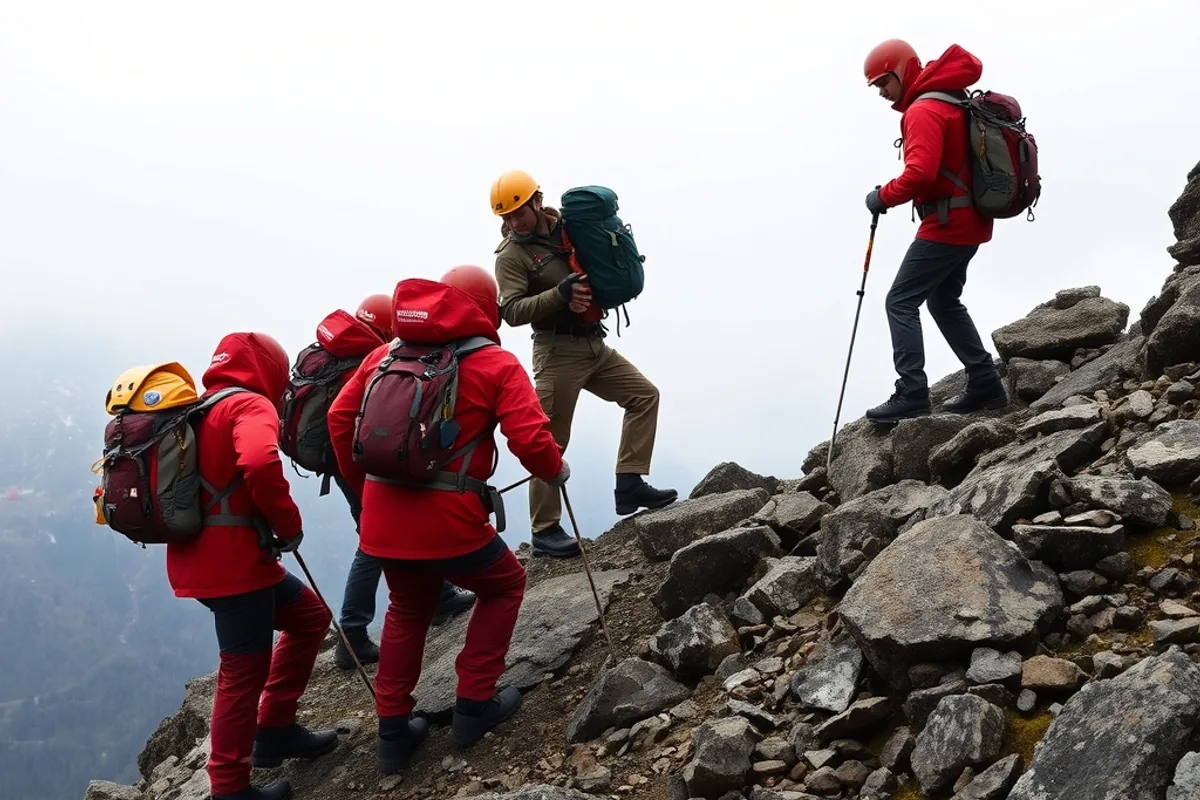
Insurers often group activities by risk class. Class 1 is usually walking, swimming and cycling on flat ground. Class 2 might include hiking up to a certain altitude, kayaking in sheltered water or horse riding. Class 3 and above can include mountaineering, scuba diving, white-water rafting and off-piste skiing. You must buy the class that matches your trip.
If you are unsure, call the insurer and ask for the activity to be added in writing. Keep the email. A verbal assurance from a call centre is not a policy endorsement. If the insurer cannot name your activity, assume it is excluded.
Medical evacuation
This is the most important benefit in remote areas. A helicopter evacuation can cost tens of thousands of euros. Check the limit, whether it is per person or per trip, and whether it includes search and rescue. Some policies cover treatment but not the cost of finding you. In many countries, rescue services charge for their time.

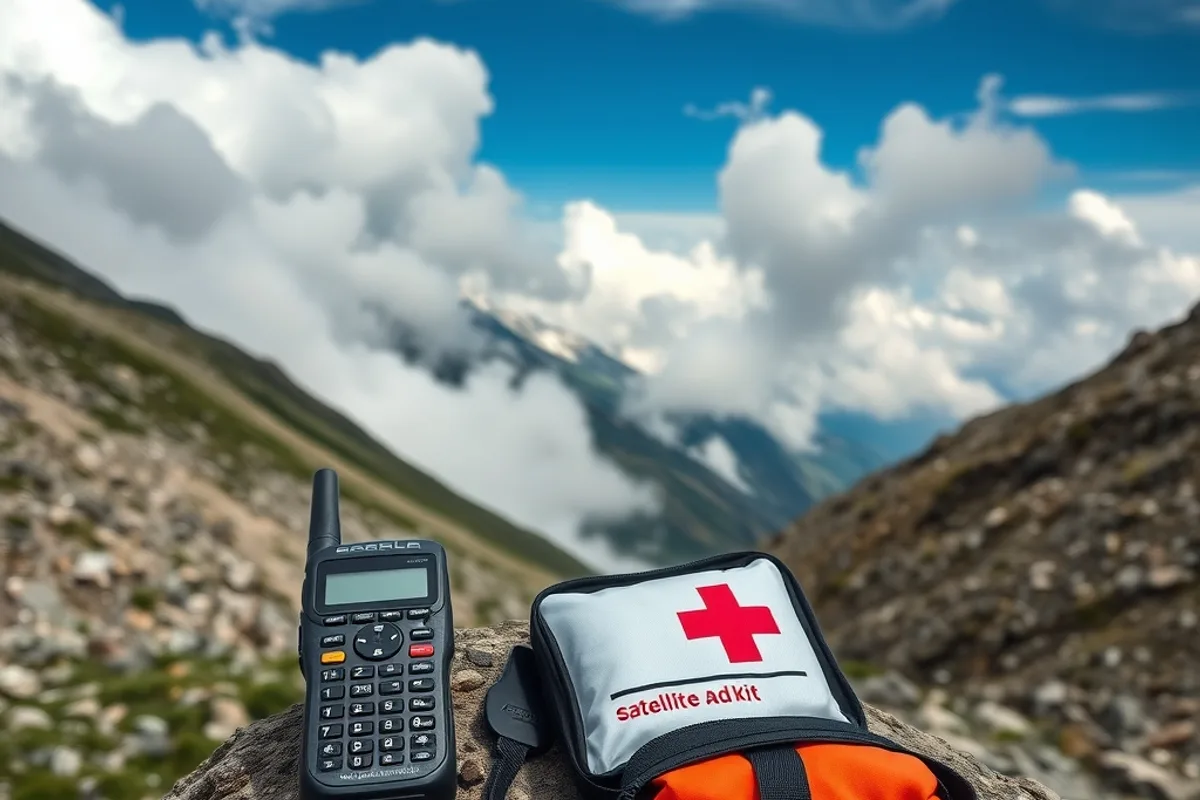
Check how the evacuation is authorised. Most insurers require you to call their assistance line before arranging transport, except in a life-threatening emergency. Keep the number on your phone and on paper. If you are unconscious, your travel companion needs to know it.
Gear and trip interruption
Check whether the policy covers rented equipment, delayed baggage and the cost of replacing essential gear. A stolen camera or a broken tent can end a trip as surely as an injury. Look at the single-item limit and the excess. If you carry expensive photography equipment, you may need a separate policy or a home-contents extension.
Trip interruption cover can reimburse unused accommodation or the cost of catching up after a delay. Read the trigger: is it any delay, a delay over a certain number of hours, or only a delay caused by a listed event? A missed connection due to a late bus may not be covered.
Pre-existing conditions
Most policies exclude pre-existing medical conditions unless you declare them and the insurer accepts them. Declare everything, even if it seems minor. An undeclared condition can void the whole policy, not just the related claim. If the insurer declines to cover a condition, you can often buy a specialised policy or accept a specific exclusion in writing.
Pregnancy, recent surgery, medication changes and mental health conditions all need a conversation with the insurer. Do it before you book the trip. It is much easier to change a policy than to argue after an accident.
How to file a claim that works
Document everything at the time. Keep receipts, medical reports, police reports, airline delay confirmations and photographs. Get the name and contact details of anyone involved. If you are injured, ask the treating doctor for a written diagnosis and a description of the treatment. If gear is stolen, report it to the police the same day and keep the report number.
Call the insurer's assistance line as soon as practical. Follow their instructions on where to seek treatment and how to arrange transport. Do not assume that you can choose any clinic and be reimbursed in full. Some policies direct you to a network.
Submit the claim promptly and keep copies of everything. If the claim is declined, ask for the specific policy clause and the reason in writing. Then appeal with the missing evidence. Many initial refusals are administrative, not final.
What to buy and what to skip
Buy the activity class you need, a realistic medical limit, evacuation cover and a cancellation policy you understand. Skip the extras that duplicate your home insurance, and skip any policy that will not put its endorsements in writing. The cheapest policy is rarely the best value if it excludes the thing you are actually going to do.
If you are doing a one-off expedition, a specialist adventure policy may cost more but will fit better. If you are doing a standard hiking holiday in Europe, a good annual policy with a hiking add-on may be enough.
The bottom line
Insurance is not a licence to take more risk. It is a way to make a bad day survivable. Read the exclusions, declare your conditions, match the activity class to your plan, and keep the assistance number where you can find it. Then go and enjoy the trip, knowing that the paperwork is not waiting to ambush you.