How to Eat Well in a City You've Never Visited
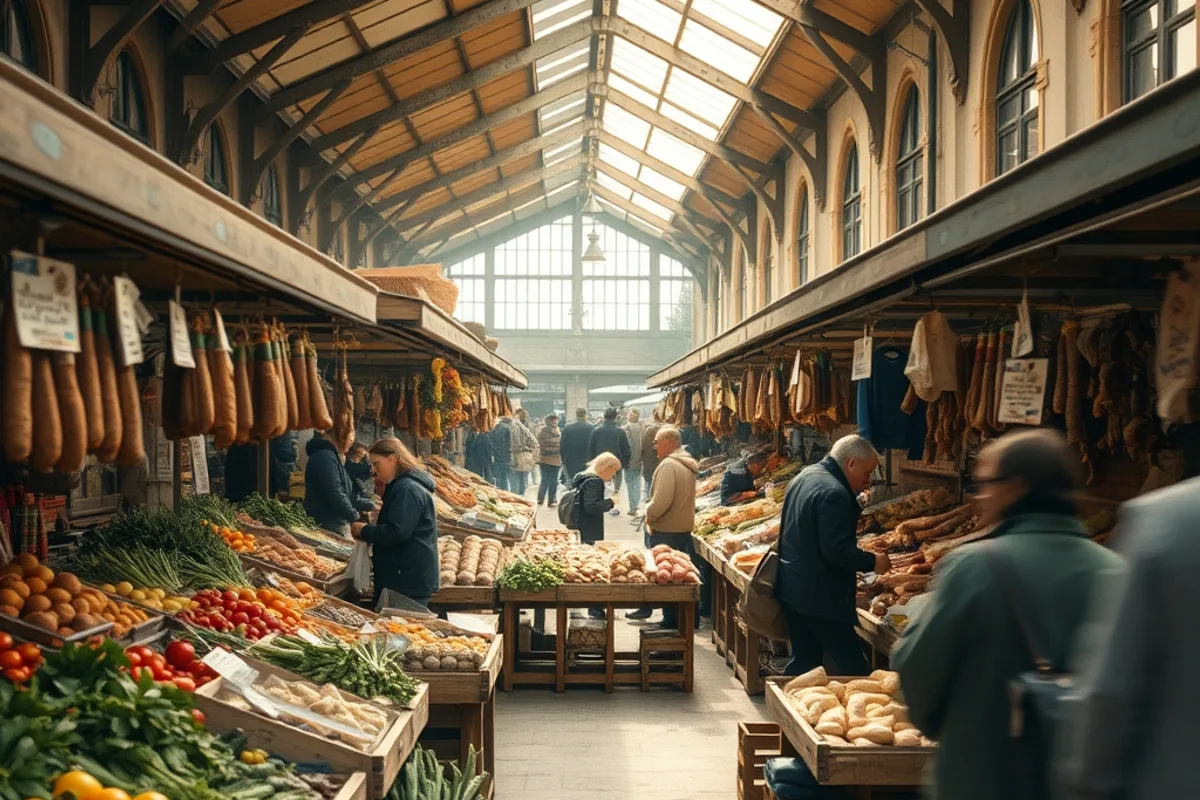
A practical field guide to markets, neighbourhood kitchens and the small decisions that turn a first visit into a good week of eating.
You arrive in a city at mid-afternoon, hungry and slightly disoriented. The obvious move is to open a map and pick something near the hotel. The better move is to walk to the nearest market, buy something small, and let the city tell you what it eats before you decide what you want.
Eating well in a strange city is not about finding the famous restaurant. It is about learning the local rhythm quickly: when people eat, where they shop, what a normal portion looks like, and which streets fill up after work rather than at noon. This guide is a set of habits for the first two days, when your instincts are still calibrated to somewhere else.
Follow the day, not the list
Most restaurant lists are organised by reputation. A city is organised by time. Bakeries peak before nine, markets peak before noon, office lunches run from twelve to two, and the good neighbourhood places fill after seven. If you eat at the wrong hour you will conclude that the food is mediocre when the kitchen is simply between services.
On your first morning, resist the hotel breakfast. Walk ten minutes in any direction and look for a queue of people who are clearly not tourists: workers in uniforms, parents with school bags, delivery riders. That queue is a better recommendation than a five-star average.
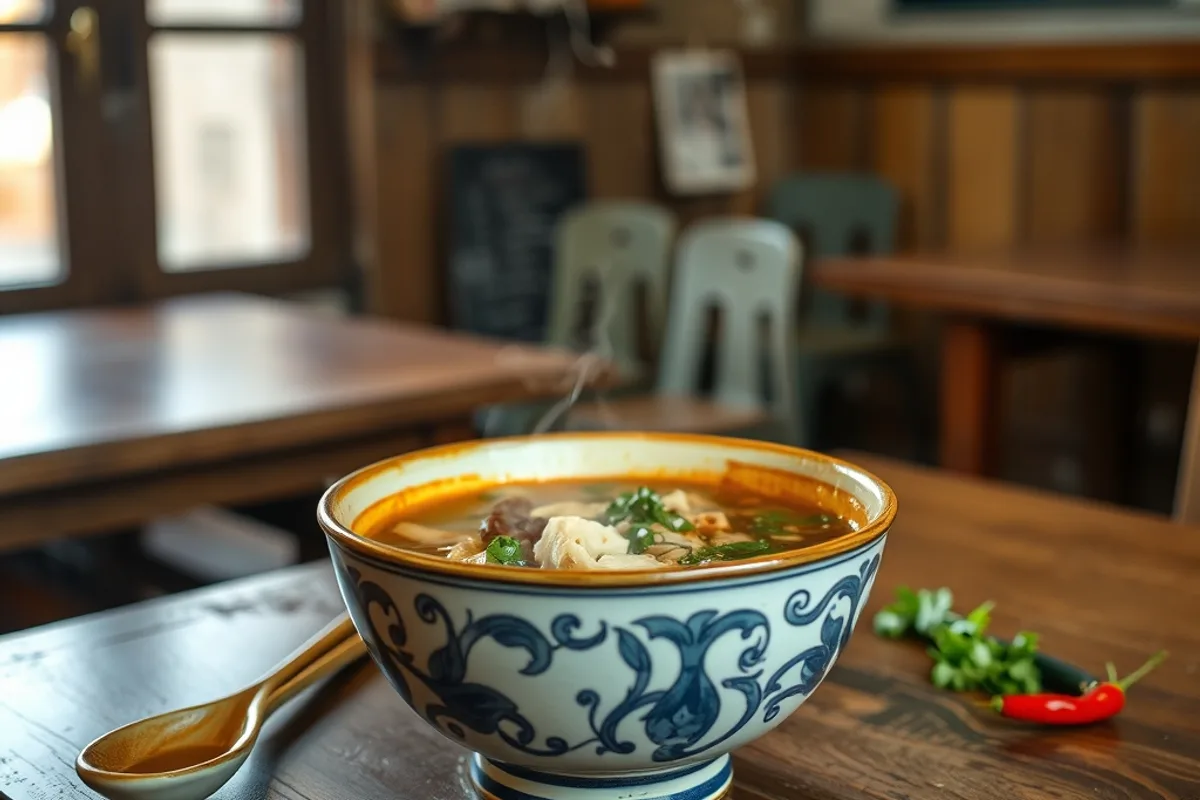
Keep a simple note on your phone: the name of the street, what you ate, what it cost, and whether you would go back. After three days you will have a personal map that no guidebook can give you.
Start at the market
A central market is the cheapest education in the city. You can see the season, the regional specialities and the price of a tomato. You can also eat very well for very little. Most markets have a cooked-food section, often at the back or upstairs, where stallholders eat their own lunch.
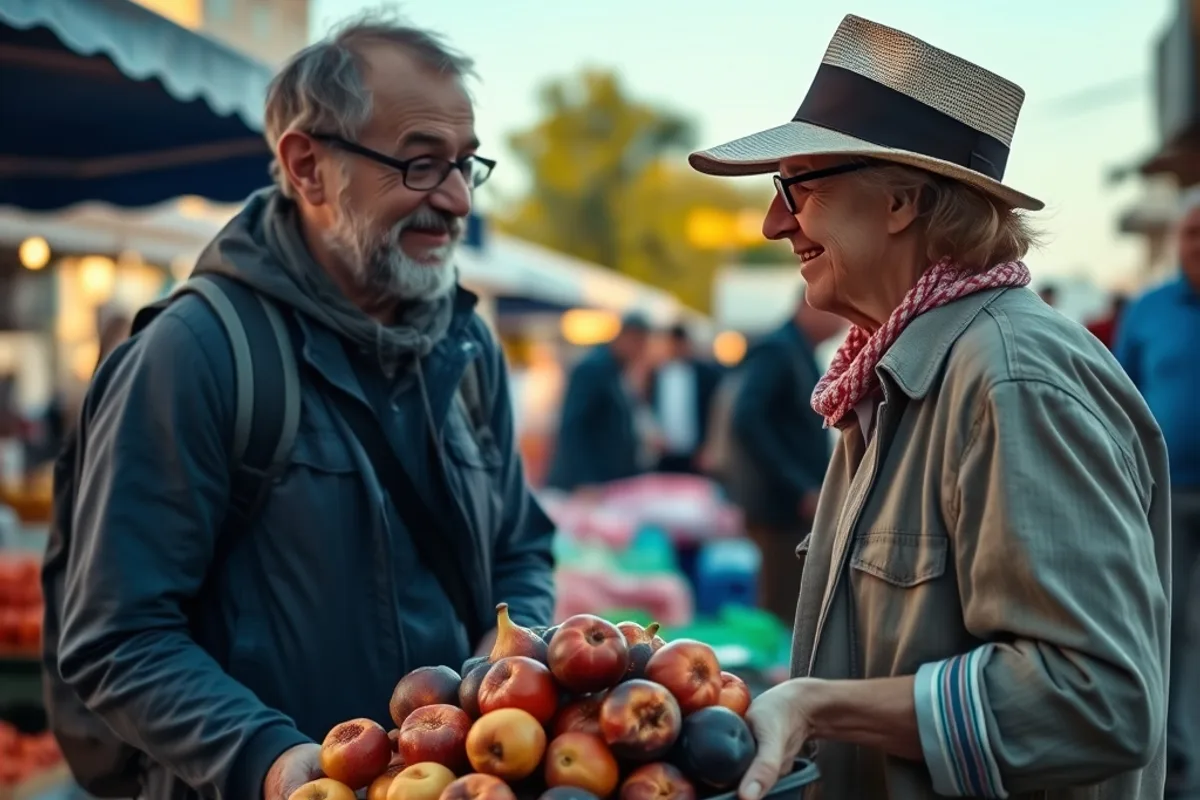
Go early, carry small cash, and buy one thing you cannot identify. Ask the vendor how to eat it. In most places this is a welcome question, not an imposition. If language is a barrier, point, smile, and use a translation app for one word at a time.
Markets also teach you what to avoid later. If every stall sells the same imported fruit at the same price, the city is not growing it. If the fish is displayed on ice with clear eyes and firm flesh, buy the fish. If the cheese is cut to order from a large wheel, order the cheese.
Read the room before you read the menu
The menu is marketing. The room is evidence. Look at the tables: are people sharing plates, eating alone, drinking water or wine, finishing their food? Is there a staff meal happening at the back? Does the kitchen look busy or bored? A restaurant full of locals at 1:30 p.m. on a Tuesday is usually a safer bet than a beautiful dining room full of cameras.
Look at the physical details too. A short menu often means freshness and focus. A very long menu can mean a freezer and a microwave. Handwritten daily specials are a good sign, especially if they mention a market or a farm. Laminated photo menus are not automatically bad, but they are rarely the best meal in the neighbourhood.
Eat where the staff eat. If the people cooking your food are happy to sit down to the same thing after their shift, you are in the right place.
Lunch is the main event
In much of southern Europe, Latin America and East Asia, lunch is the substantial meal and dinner is later and lighter. Travellers often reverse this, then wonder why the city feels quiet at seven. Adjust your appetite to the local clock and you will spend less and eat better.
The menu del día, pranzo di lavoro, plate du jour or business lunch is one of the great bargains of travel. It is usually two or three courses, including bread and sometimes wine, for less than an à la carte main. It exists for local workers, which means it has to be consistent, quick and fairly priced.
If you only have one big meal in you, make it lunch. Then graze in the evening: a slice of pizza, a bowl of soup, fruit from the market, a glass of something local. You will sleep better and see more of the city after dark.
Learn five phrases and one question
You do not need fluency. You need courtesy and a way to ask what is good. Learn hello, please, thank you, excuse me, and the word for the local speciality. Then learn one question: "What do you recommend?" In a small restaurant this transforms the interaction. In a large one it may get you the most profitable dish, so watch the server's face when they answer.
Useful follow-ups: Is it spicy? Is it for one person? What do you eat here? The last question is the most powerful. It invites a personal answer rather than a sales pitch, and it often leads to something better than the menu.
Where to eat when you have no plan
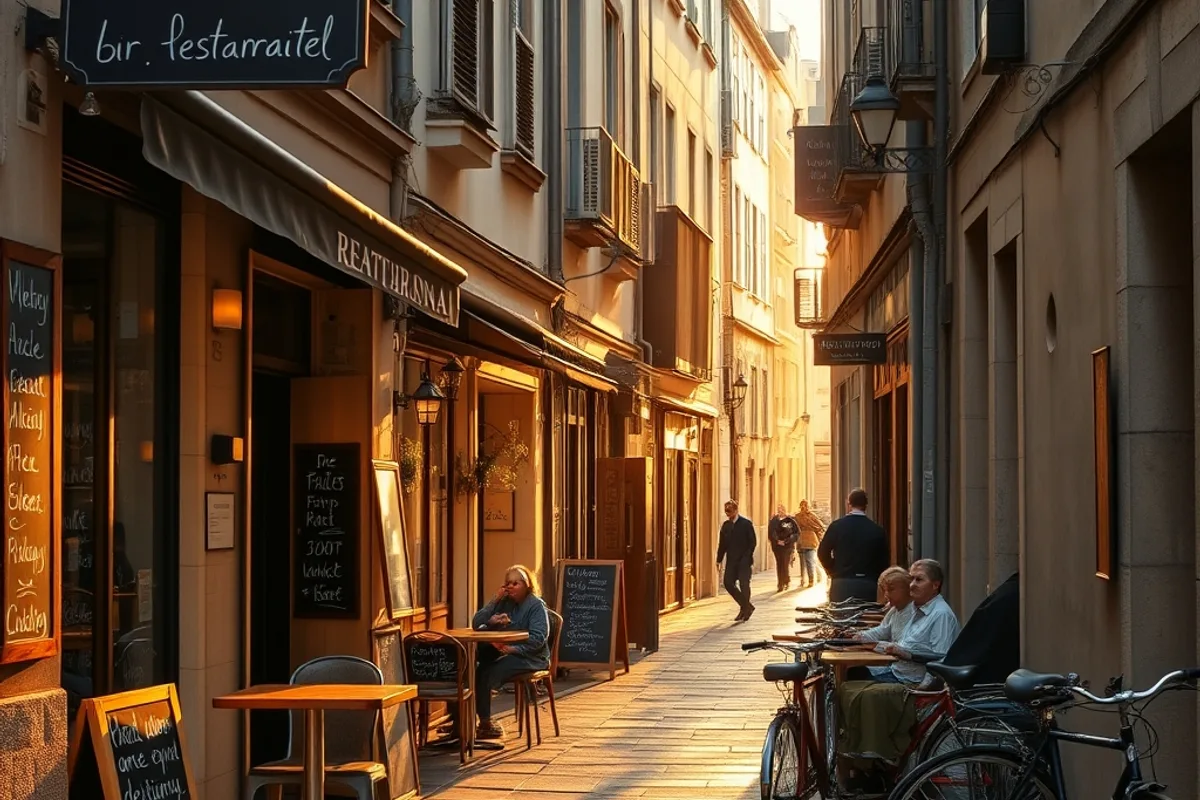
Walk one block away from the main square, then another. The price drops and the food usually improves. Look for places with a few tables on the pavement, a hand-written sign, and a menu that changes during the week. Avoid any restaurant with a person standing outside trying to pull you in; the food is rarely the reason they need to try so hard.
Hotel desks can be useful, but ask a specific question: "Where do you eat on your day off?" rather than "Where should we eat?" The first gives you a real answer. The second gives you a commission arrangement.
If you are exhausted and everything looks closed, go to the market hall, the train station food court in a smaller city, or a bakery that also sells soup. These are not compromises. They are often where the day's best food is already being eaten.
Budget without eating badly
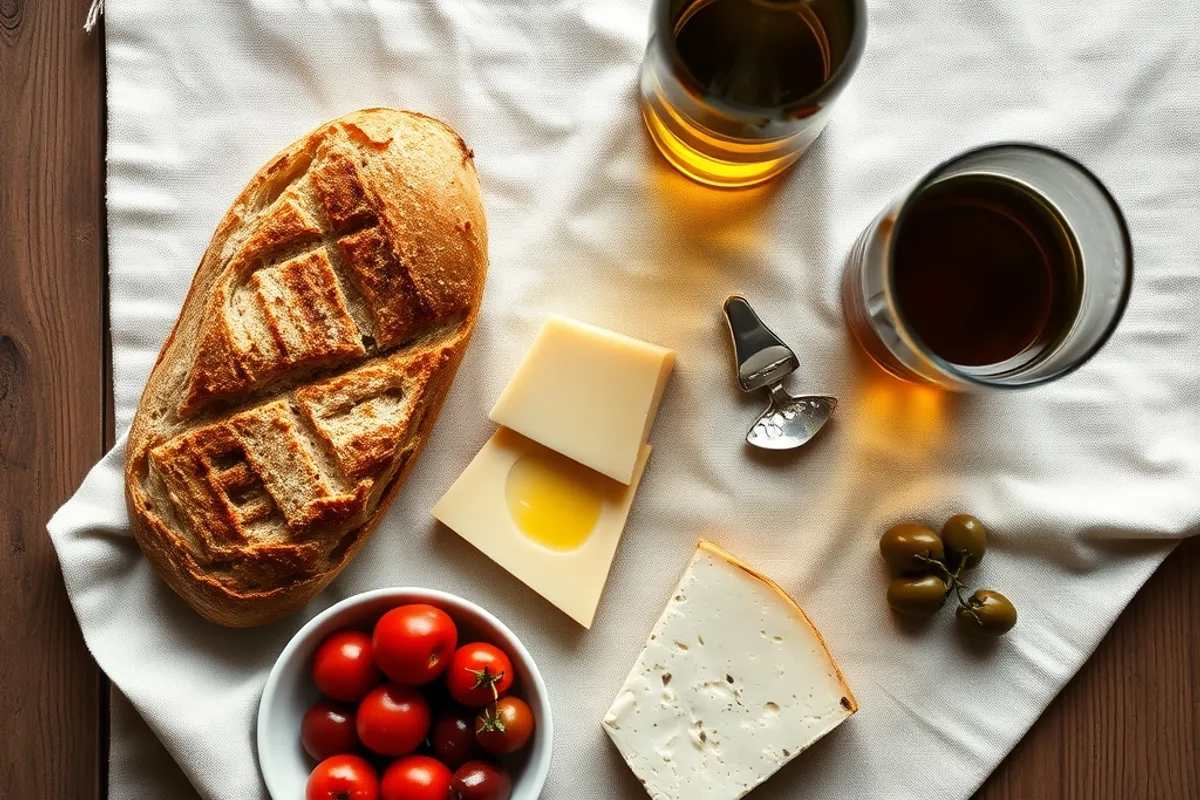
You can eat extremely well on a modest budget if you spend your money on ingredients rather than service. Buy bread, cheese, cured meat, fruit and a tomato from the market. Add a small bottle of local wine or a carton of juice. Find a bench with a view. That is a better lunch than most restaurants within walking distance of a monument.
Restaurant money is best spent at lunch, at a market stall, or on one dinner you have chosen carefully. Do not spend it on a mediocre dinner simply because it is late and convenient. Convenience is what the supermarket and the bakery are for.
| Time | What to do | What to spend on |
|---|---|---|
| 7–9 a.m. | Find the local breakfast | Coffee, pastry, eggs, whatever the city eats |
| 10 a.m.–12 p.m. | Market visit | Fruit, bread, cheese, a snack for later |
| 1–3 p.m. | The main meal | Set lunch, daily special, market cooked food |
| 5–7 p.m. | Walk and snack | Street food, gelato, coffee, one small plate |
| After 8 p.m. | Light dinner | Soup, pizza, shared plates, local wine |
The bottom line
Eat by rhythm, not by ranking. Go to the market first, eat your main meal at lunch, read the room, and ask people what they eat rather than what they recommend. You will make mistakes, and some will be memorable for the wrong reason, but you will also find the meals that make a city feel like somewhere you have been rather than somewhere you have photographed.
And carry cash. The best food in many cities is sold by people who do not want to pay card fees on a two-euro lunch.