The Case for Booking a Trip Around a Single Meal
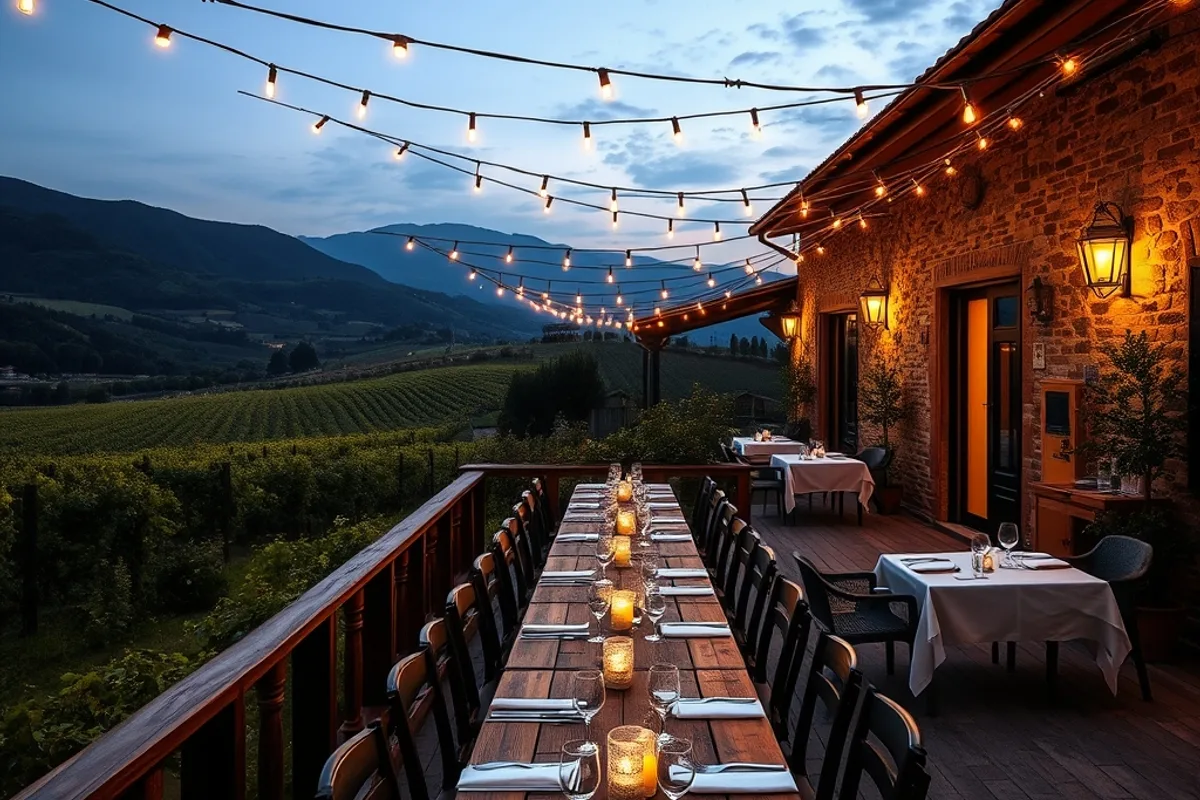
One reservation can shape a whole journey. Here is how to choose the meal, plan around it, and keep it from becoming a disappointment.
There is a particular kind of trip that begins with a table. Not a city, not a monument, not a beach. A meal you read about, or heard about, or ate once years ago and have been trying to find again. You book the table first, then the train, then the room. The itinerary exists to deliver you to dinner on time.
This is not an indulgent way to travel. It is often a more coherent one. A single meal gives the trip a centre, a reason to be somewhere at a particular hour, and a natural way to meet the place through its ingredients. The trick is to plan around the meal without turning the rest of the journey into a waiting room.
Why one meal is enough reason
Food is the most portable form of culture. A dish carries agriculture, trade, migration, religion and climate in a way that a museum label rarely does. When you eat a regional speciality in the region that made it, you are tasting a supply chain and a history at the same time.
A destination meal also solves a planning problem. Travel can become a list of vaguely equivalent attractions. A meal imposes a hierarchy: this is the thing we came for, and everything else can be arranged around it. That is liberating. You no longer need to see everything. You need to be hungry at the right time.
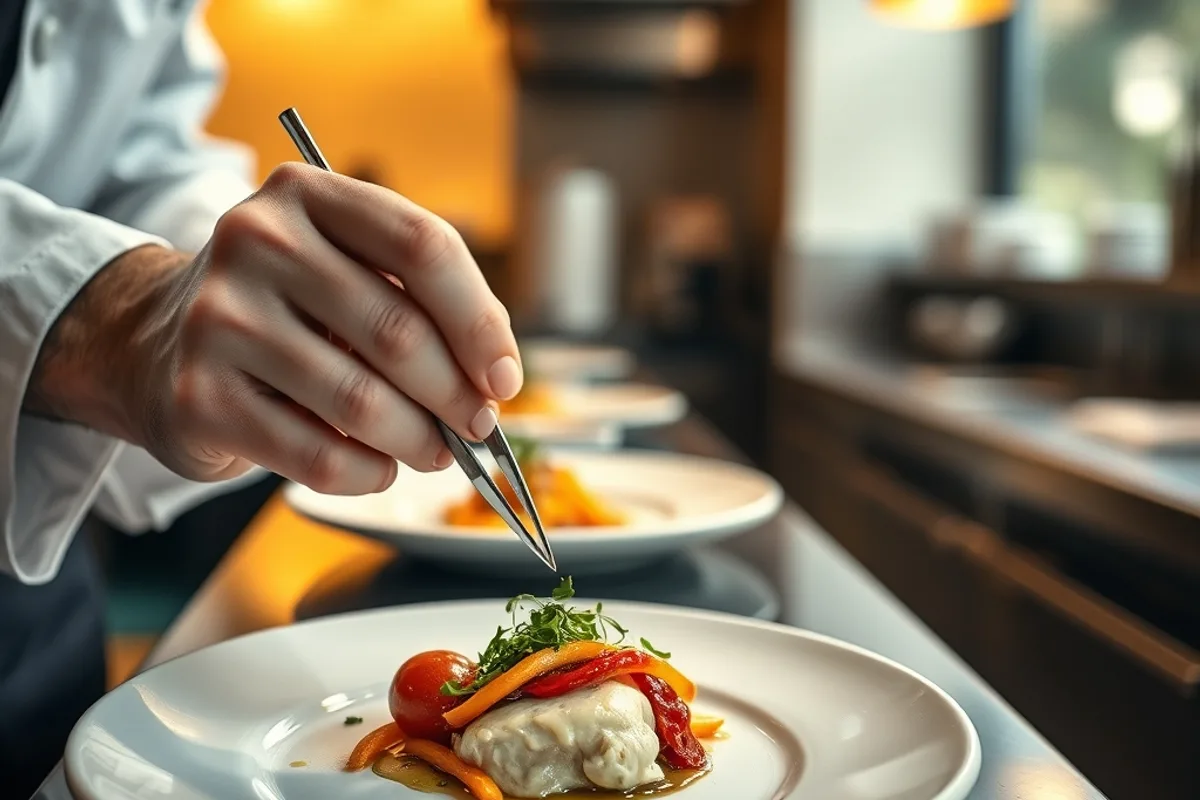
The meal does not have to be expensive. It can be a village bakery, a fish shack, a noodle stall with six seats, or a harvest lunch in a farmhouse. What matters is that it is specific: a place, a season, a cook, a dish you cannot get elsewhere.
Choose the meal before the place
Start with the food, then find the geography. If you want to eat cacio e pepe made with the right sheep's cheese, go to Rome. If you want wild garlic in spring, go to a place where spring is a season rather than a date. If you want a particular kind of bread, follow the grain.
Read beyond the first page of search results. Restaurant websites, local food magazines, market associations and regional tourism boards are more useful than listicles. Look for mentions of farms, producers and seasonal menus. A restaurant that names its suppliers is usually proud of them for a reason.
Check the calendar twice: once for the restaurant's opening days, and once for the ingredient's season. A famous dish can be unavailable for half the year. A celebrated chef can be on holiday in August. A market can be closed on a Monday. These details decide whether the trip works.
The reservation economy
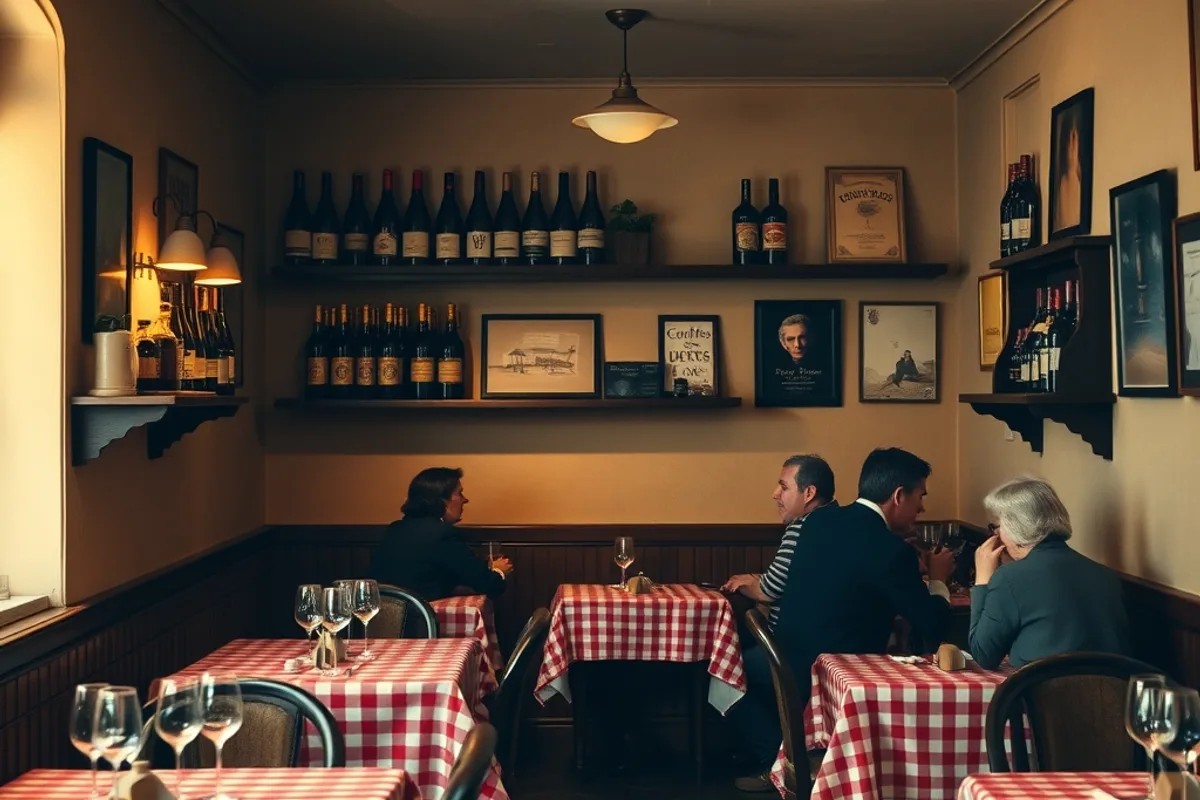
Some restaurants release tables weeks or months ahead and fill in minutes. Others take bookings only by phone, or only for lunch, or only for parties of two. Learn the system before you fall in love with the menu. Set a reminder for the release time, use the restaurant's own booking channel where possible, and have a backup date.
If you cannot get the table, do not build the trip around a fantasy. Choose a second meal of the same genre, or go for lunch instead of dinner, or eat at the bar. Some of the best meals happen at the counter because the kitchen can see you and you can see the work.
Confirm the reservation forty-eight hours ahead. This is normal in many restaurants and protects you from a cancelled booking or a changed service. Ask about the cancellation policy at the same time. A deposit is reasonable; a non-refundable prepayment for a meal months away is a risk you should price in.
Build a two-day trip around it
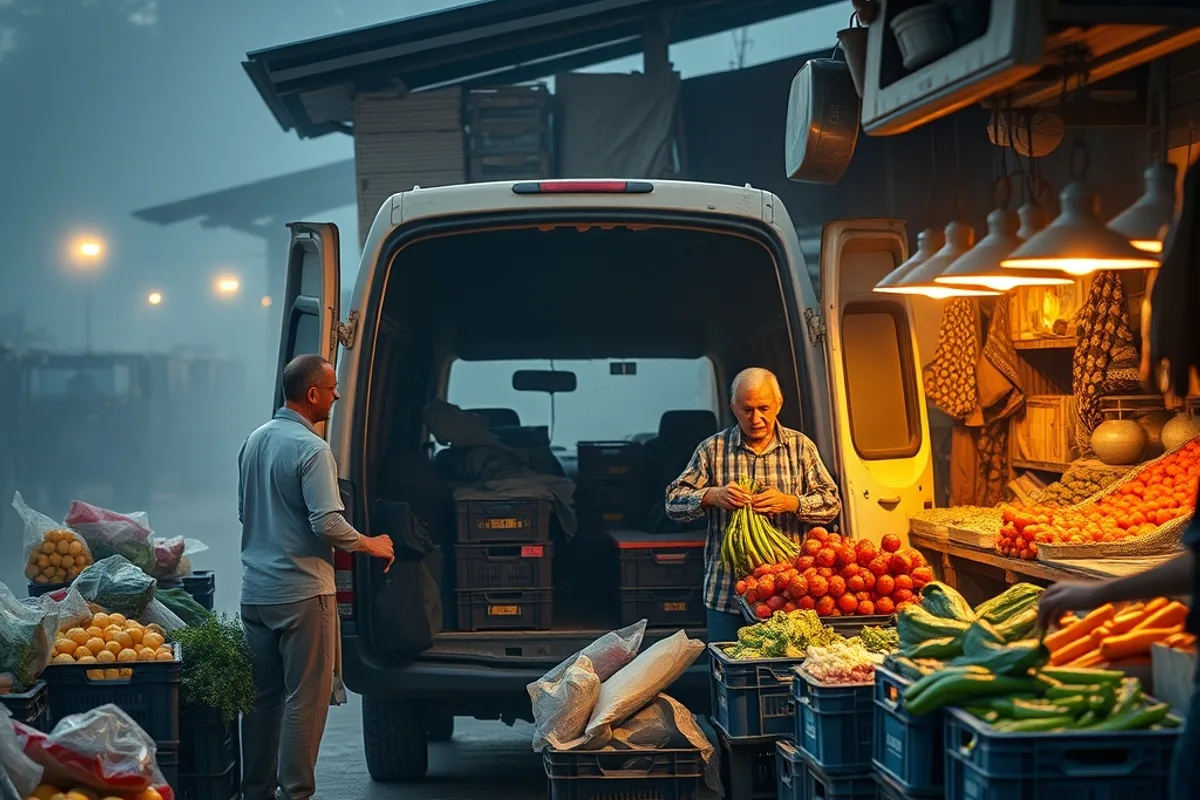
Arrive the day before. This is the single most useful rule. Travel delays are common, and a meal is a fixed point. An overnight buffer turns a stressful dash into a pleasant build-up. Use the first afternoon to walk the neighbourhood, find the market, and eat something simple and local.
On the day of the meal, keep lunch light and the afternoon close. Do not schedule a long hike or a museum marathon. Walk, rest, read, and stay hydrated. If the meal is at lunch, make it the centre of the day and plan a gentle evening. If it is at dinner, leave the afternoon open and arrive hungry rather than exhausted.
Stay within walking distance of the restaurant if you can. It removes the taxi problem, lets you enjoy a second glass, and gives you a feel for the neighbourhood at the hour the meal actually happens.
What to do if the meal is a bust
It happens. The famous place has an off night, the dish is not to your taste, the service is chaotic, or the room is not what you expected. Do not let one meal ruin the trip. The journey was still worth making, and the failure is information.
Write down what went wrong: the dish, the timing, the seasoning, the temperature, the service. Then go find the everyday version of the same food the next day. A market stall or a family restaurant can restore your faith faster than another reservation.
If something is genuinely wrong, say so politely at the time. Most kitchens would rather fix a plate than read about it later. If the issue is serious, ask for the manager and keep the conversation factual. A calm complaint is more useful than a dramatic one.
The cost of a destination meal
It is easy to spend more on the journey than on the meal, and more on the meal than it can possibly repay. Set a budget before you book, including transport, accommodation and the meal itself. Then decide what the experience is worth to you. A once-in-a-decade dinner may justify a modest hotel. A casual lunch does not justify a flight.
Remember that the best food memories are often cheap: a tomato eaten warm from the vine, a bowl of soup after a cold walk, bread still warm from the oven. The expensive meal is not automatically the most meaningful one.
The bottom line
Book the table, then build a trip that gives it room. Arrive early, stay close, keep the day light, and have a backup plan. The meal is the reason for the journey, not the whole journey. The best trips around a single meal leave space for the market, the walk, the accidental conversation and the second helping you did not plan for.