A Realistic First Multi-Day Hike: Planning, Packing and Pacing
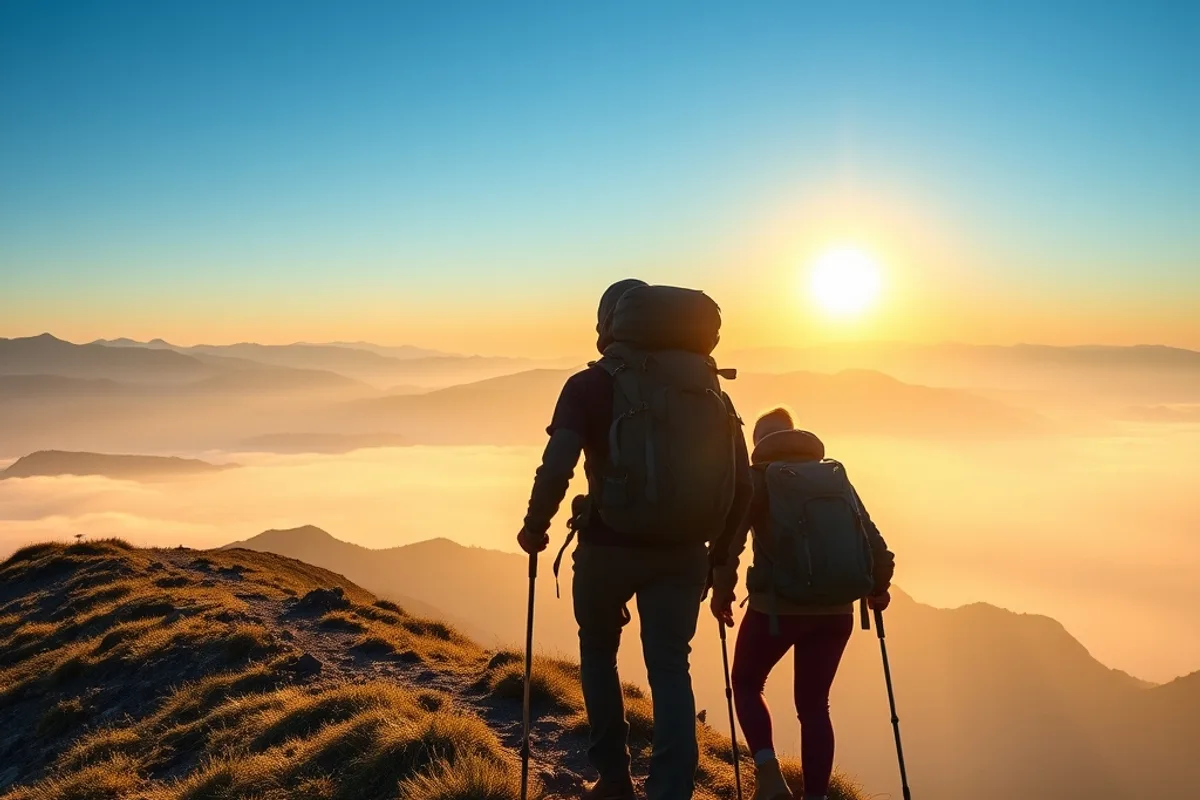
Your first hut-to-hut walk should feel like a holiday, not a survival exercise. Here is the plan that makes that possible.
The first multi-day hike is usually planned by someone who has done a lot of day hikes and assumes the next step is simply more of the same. It is not. A day hike is a burst of effort followed by a shower and a proper meal. A multi-day hike is a small expedition: you carry your needs, you sleep away from your base, and you have to make decisions when you are tired.
That does not make it dangerous. It makes it a skill. The good news is that the skill is mostly planning and humility. Choose a route with exits, keep the days shorter than you think you need, and treat the weather as a participant rather than an inconvenience.
Train for the descent
Most first-timers train by walking uphill. The descent is what wrecks knees, quads and confidence on day two. Find a hill with a long, steady downhill and practice walking it with a loaded pack. Learn to take short steps, keep your weight over your feet, and use poles if they help. Build up to two or three hours of downhill without soreness.
Also train with the pack you will actually carry. A 10 kg pack changes your balance and your stride. Do a few longer day hikes with it, including one in rain if you can. The goal is not fitness for its own sake. It is to remove surprises from the first day.
If you have knee problems, see a physiotherapist before you book. A support brace, a lighter pack or a route with less descent may be the difference between a good week and a painful one.
Choose a route with exits
Look for a route where every day has a way out: a bus stop, a cable car, a valley road, a village with a taxi. This is not defeatism. It is what allows you to make a sensible decision when the weather turns or someone gets sick. A route with no exits demands experience you may not have yet.
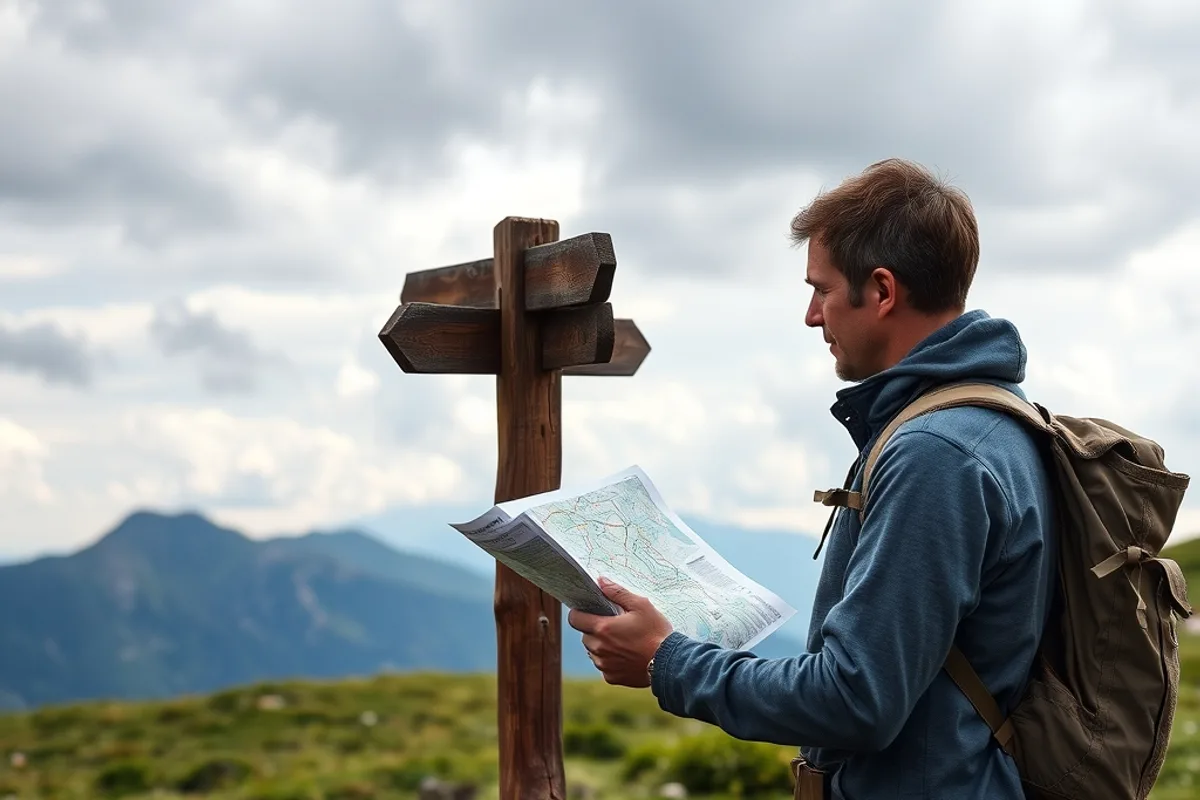
Guidebooks usually mark distances and ascent, but not the character of the ground. A 15 km day on a smooth track is easier than an 11 km day on loose scree. Read recent trail reports, check whether the route is waymarked, and look at a map with contour lines rather than a stylised illustration.
Pick a loop or a traverse with a short transfer at each end. Avoid routes that require a long drive before the first climb and a long drive after the last descent. The travel days are part of the trip, and they wear you down.
The daily distance rule
For a first multi-day hike, plan five to six hours of moving time per day, not a fixed kilometre target. Add one hour for every 500 m of ascent if you are unsure. Add another hour for breaks, photographs and the inevitable navigation stop. Finish with daylight to spare.
Start earlier than feels necessary. The morning is cool, the trails are quiet, and an early start gives you a buffer for the afternoon. A 7 a.m. start can turn a stressful day into a pleasant one. It also gives you time to dry wet gear before dinner.
If you are a group, plan for the slowest person and agree on a turnaround time. No summit is worth a cold, dark descent. The mountain will still be there next year.
Huts and permits
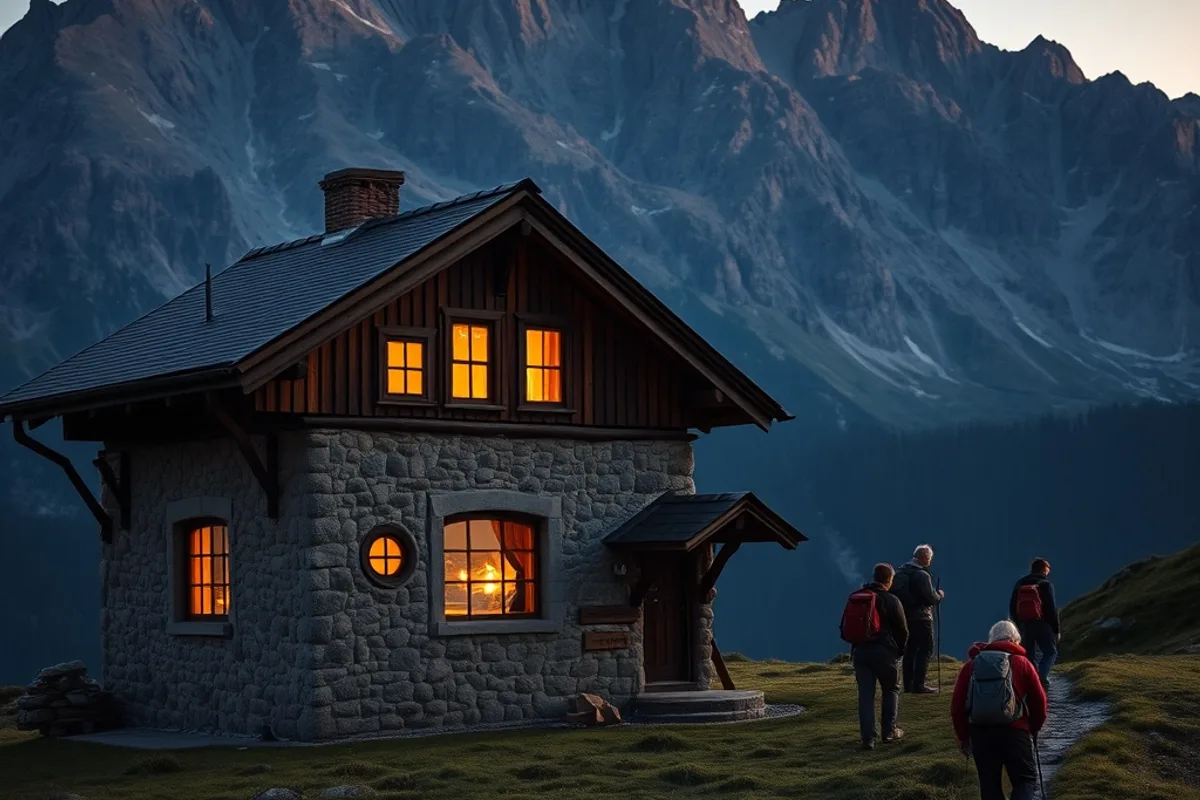
Mountain huts and permits are the real constraint. Popular huts sell out months ahead for weekends and school holidays. Book as soon as your dates are fixed, and book directly with the hut where possible. Ask three questions: Is the booking refundable? What happens if the pass is closed? Is dinner a fixed menu?
Half-board usually means dinner, breakfast and a bed in a shared room. Showers may cost extra or be unavailable. Bring cash for drinks, showers and small purchases. Earplugs and a sleep mask are not luxuries in a twenty-bed dorm.
If you are camping, check whether wild camping is legal and whether the route requires a permit. In many national parks it is not. A designated campsite with water and a toilet is often worth the small fee.
Food and water
Carry more water than you think you need, and know where you can refill. On a hot day, a litre an hour is not unusual. A filter or purification tablets are cheap insurance. Do not assume a spring is safe just because it looks clear.
Food should be calorie-dense and boring in a useful way: nuts, dried fruit, cheese, chocolate, bread, salami, instant noodles. Eat before you are hungry. A small snack every hour works better than a huge lunch that makes you sluggish. If you are staying in huts, ask whether they provide packed lunches and whether they can accommodate allergies.
Weather and bailout plans
Check two forecasts each morning: the regional weather service and a local source such as the hut warden or lift office. Mountain forecasts are less reliable than valley forecasts, so plan for the possibility that the forecast is wrong. Carry a waterproof shell and a warm mid-layer even in summer.
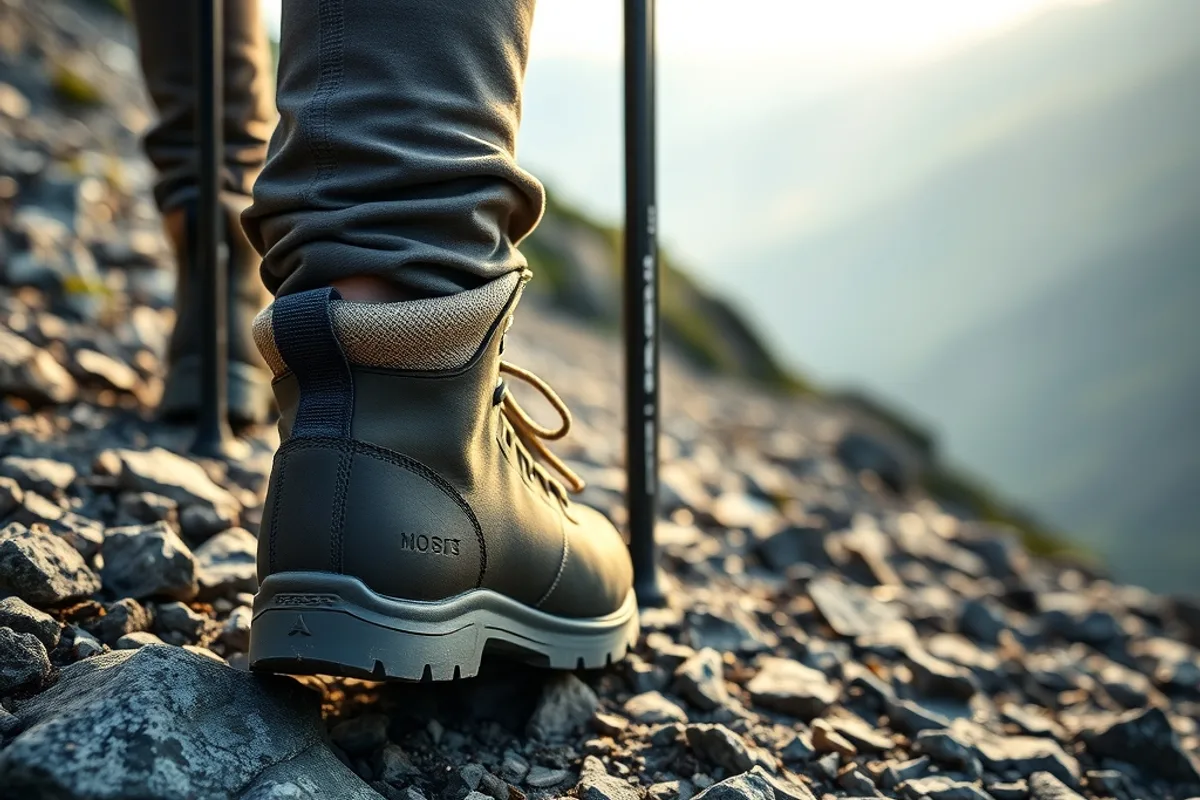
Have a low-level alternative for each day. A valley walk, a museum, a cable car, a spa afternoon. Using it is not a failure. The point of the trip is to come home having enjoyed it, not to prove that you can endure discomfort.
Packing list
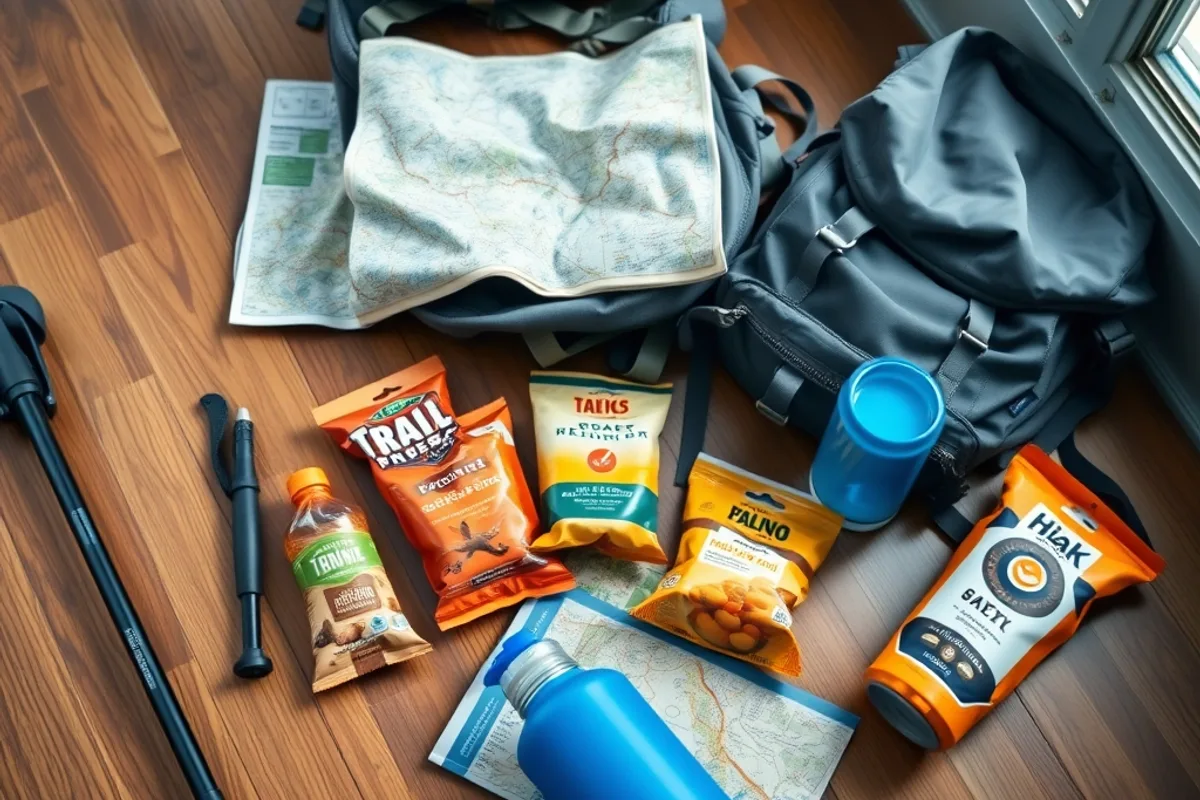
Pack a 30–40 litre rucksack, waterproof shell and trousers, warm mid-layer, two pairs of socks, one spare base layer, sun hat, warm hat, gloves, headlamp, first-aid kit, blister plasters, water bottle, filter, map and compass or a charged phone with offline maps, and a small repair kit. Add hut slippers if the hut does not provide them.
Leave the heavy camp shoes, the extra camera lens and the "just in case" clothes at home. Every gram is paid for on the climbs. If you have not used it on a training hike, do not bring it.
The bottom line
Choose a route with exits, keep the days short, book the beds early, and train the descent. Arrive with a pack you have carried before and a plan you are willing to change. Your first multi-day hike does not need to be epic. It needs to be enjoyable enough that you want to do another one.