Spa Towns Worth the Detour: A Practical Guide to Thermal Bathing
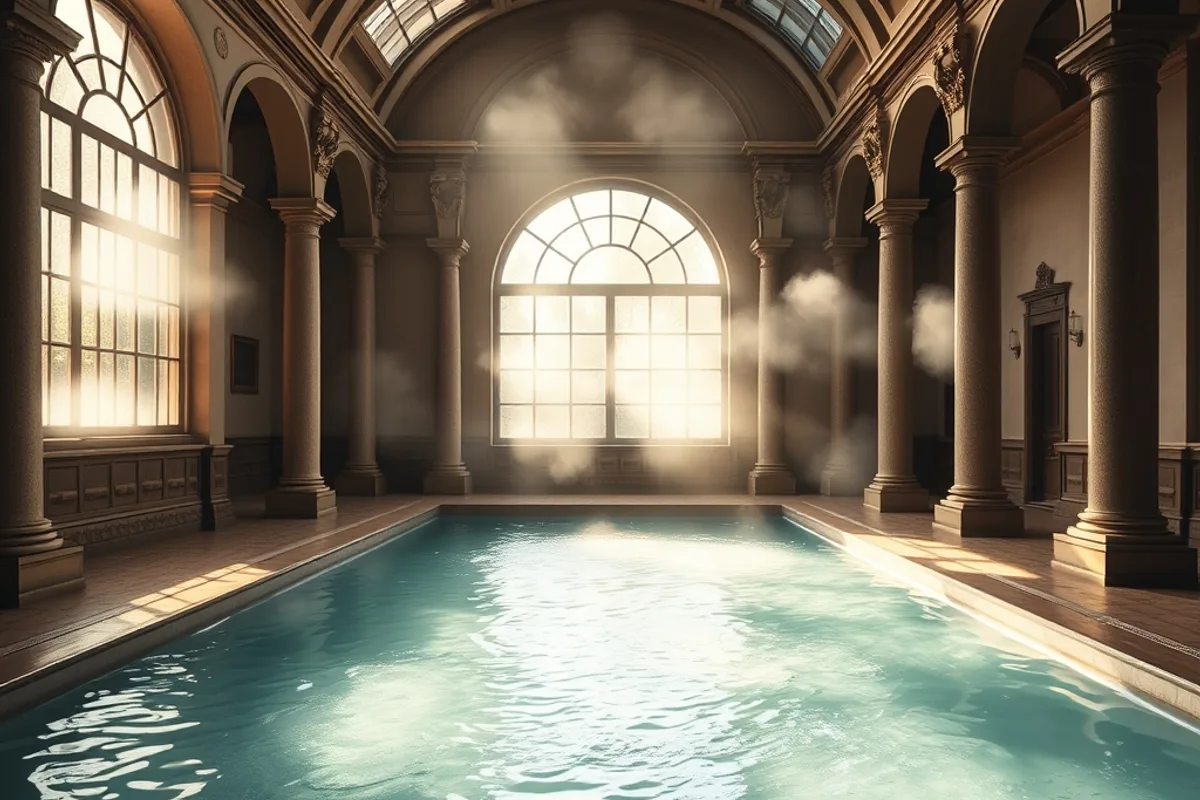
From Hungarian bath halls to Japanese onsen, here is how to choose a spa town, read the etiquette and get the most from the water.
A spa town is a strange and wonderful invention: a place whose economy was built on the belief that warm mineral water could cure what ailed you. Some of that belief was medicine, some was fashion, and some was simply an excuse to spend a week in a beautiful town with very little to do. All three are good reasons to visit.
Thermal bathing is one of the few travel experiences that cannot be rushed. You do not see a bath. You sit in it, get too hot, cool down, sit in it again, and eventually feel something loosen. The pleasure is cumulative. The mistake is treating a spa town as a sightseeing stop between two cities.
What makes a spa town worth it
The water is the first thing. Different springs have different mineral content, temperature and reputed effects. You do not need to believe every claim to notice that a hot mineral bath feels different from a chlorinated pool. Look for a town with several springs, a bathing tradition and local people who still use the baths, not just hotels with a spa menu.
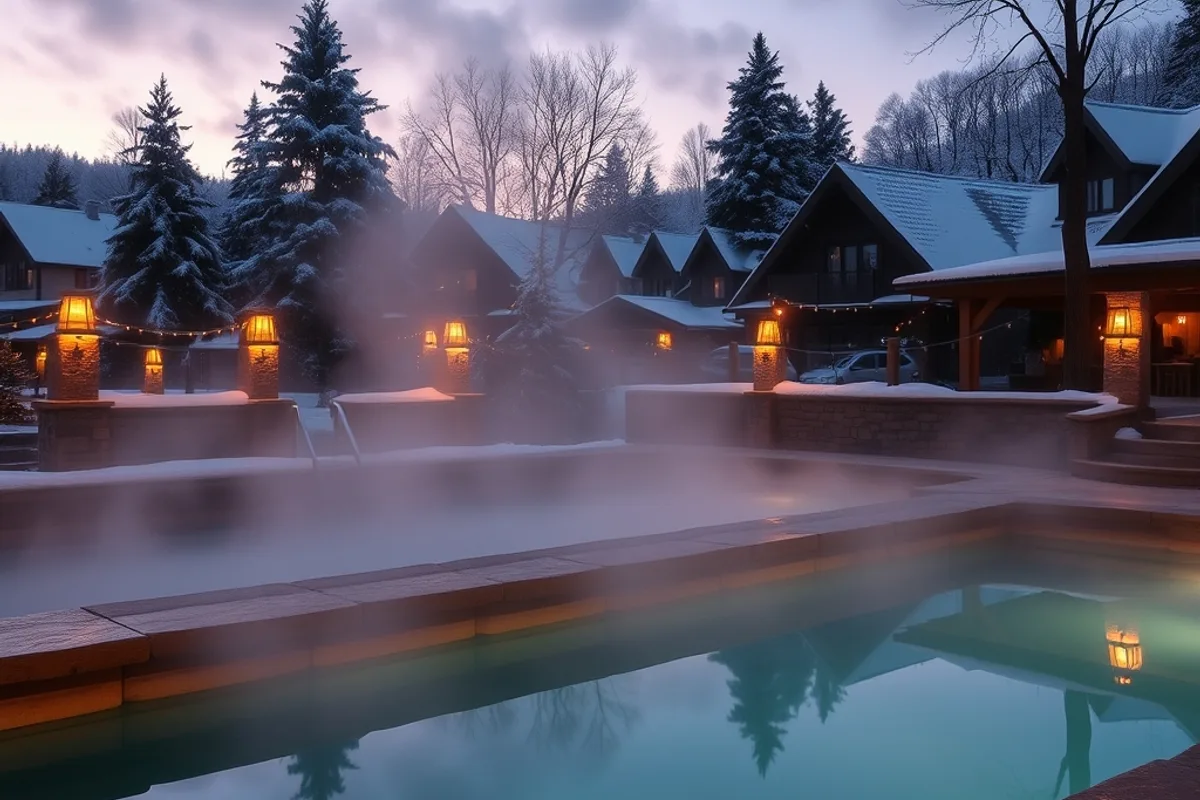
The second thing is walkability. A good spa town is compact, with a park, a promenade, a bathhouse and a café within fifteen minutes of each other. The rhythm is soak, walk, rest, eat, soak. If you need a car for every part of that, the town is not doing its job.
The third thing is honesty. Some towns are living spas; others are theatrical reconstructions. Both can be enjoyable, but know which you are paying for. A historic bath hall with locals playing chess is a different product from a resort with piped music and a cocktail list.
The three kinds of thermal water
Broadly, you will meet three types. Hot springs rich in sulphur and other minerals, common in Japan, Iceland, Turkey and parts of Europe, are the classic therapeutic baths. They can smell strongly and may stain silver jewellery. Saline or brine springs, common in Central Europe, are warm, buoyant and often used for joint and muscle complaints. Plain hot water, sometimes heated from a deep aquifer, is the simplest and most common.
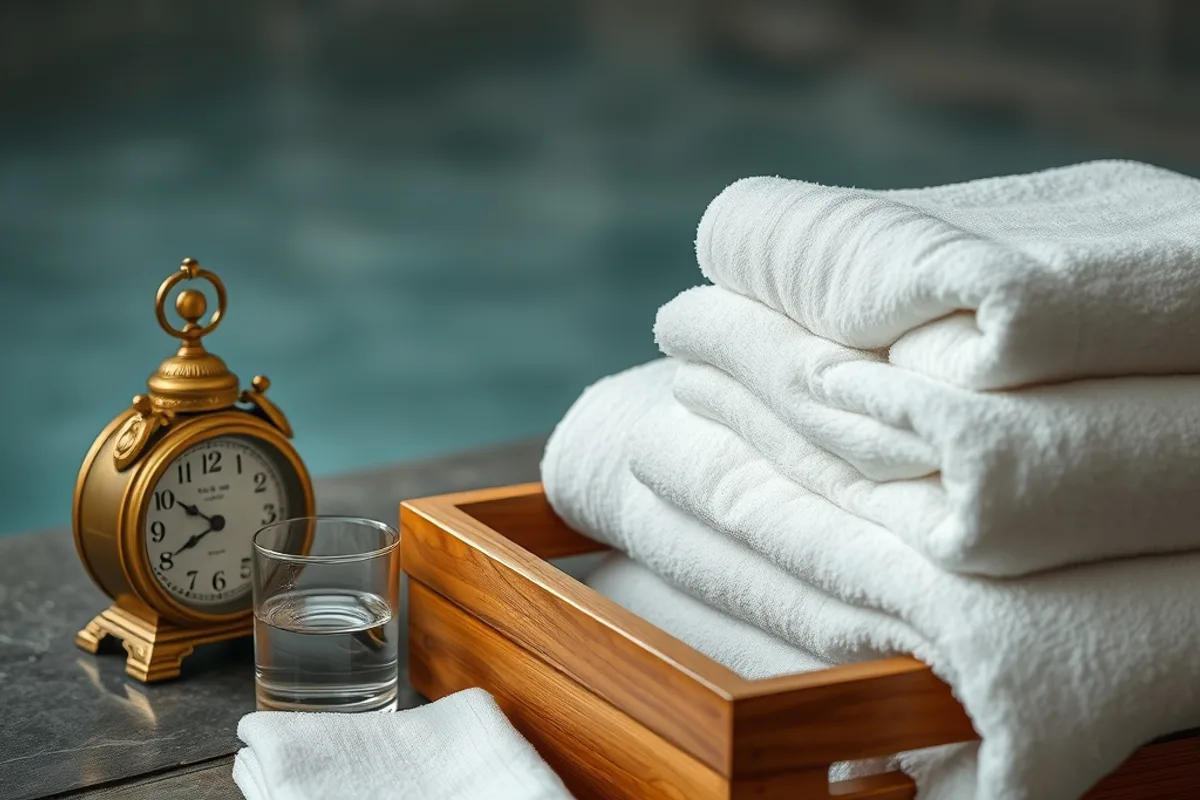
Temperature matters more than chemistry for most bathers. A soak above 40°C is intense and should be short. A long, comfortable soak is usually 37–39°C. If you feel dizzy, light-headed or your heart is racing, get out. Hydrate before and after. Alcohol and very hot water are a bad combination.
Etiquette changes everything
Bathing culture is local. In Hungary and much of Central Europe, swimwear is normal in mixed baths, and a towel or robe is expected as you move between pools. In Japan, onsen are usually nude and gender-separated, with a strict washing routine before entering the water. In Korea, jjimjilbang are clothed mixed spaces with separate shower areas. In Turkey, hammams have their own sequence of hot room, scrub and rest.
Learn the basics before you go: where to undress, where to wash, whether tattoos are allowed, whether swimwear is required, and how to move between pools. Every bathhouse has its own rules, usually posted at the entrance. Read them. Ask if you are unsure. The staff would rather answer a question than clean up a mistake.
The water does not care who you are. The room does. Arrive clean, quiet and curious, and you will be welcome almost anywhere.
Timing your visit
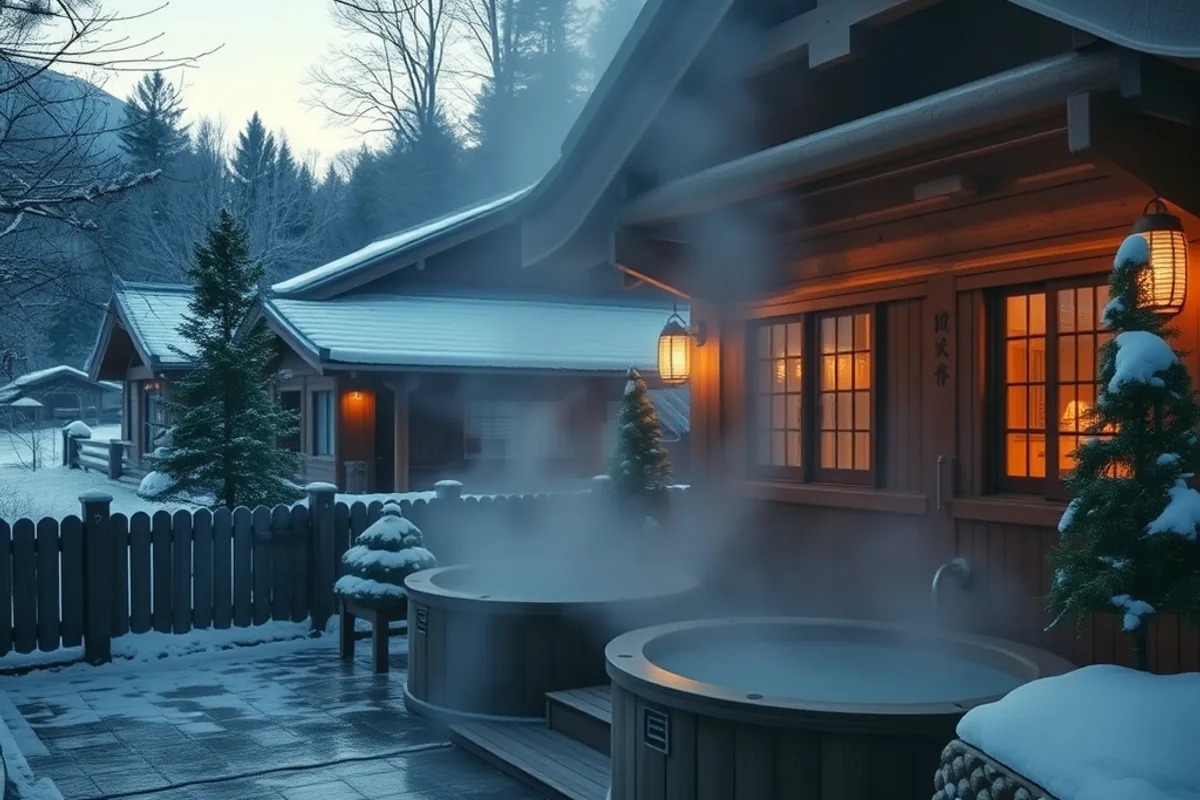
Go in the shoulder season if you can. Spa towns are busy in summer and during school holidays, and the baths can feel like a water park. Late autumn, winter and early spring are often better: fewer people, steam in the cold air, and a reason to stay indoors. Winter is the classic season for Central European baths.
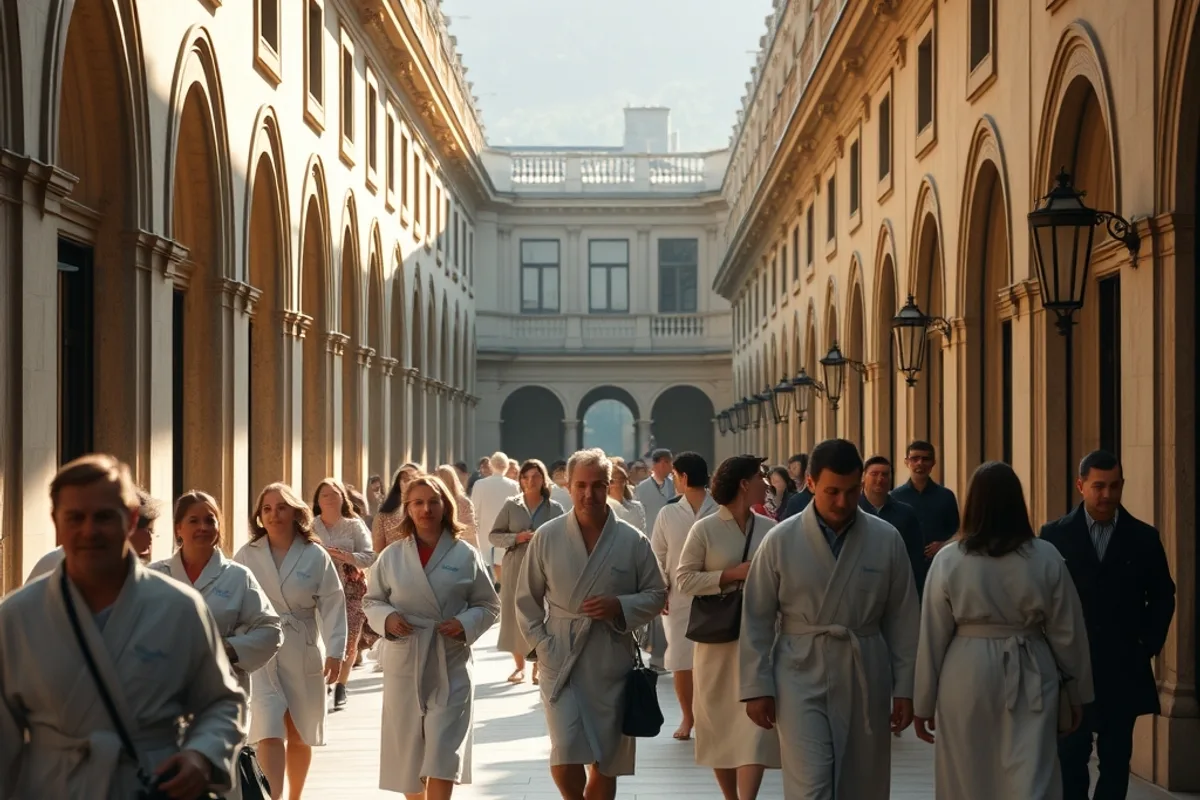
Time of day matters too. Early morning is quiet and local. Late afternoon is warm and social. Evening can be romantic but crowded. Avoid the middle of the day at a famous bath unless you enjoy queues and echoing halls. If you only have one chance, go early.
A short list of towns
Budapest is the great city of thermal bathing, with a dozen historic baths and a culture of everyday soaking. Baden-Baden in Germany pairs grand nineteenth-century bathhouses with a serious spa tradition. Karlovy Vary in the Czech Republic is a graceful colonnade town built around mineral springs. Bath in England is the Roman original, best visited early. Beppu and Kinosaki in Japan offer a very different, more ritualised experience. Iceland's geothermal pools are less about cure and more about landscape.
| Place | Water style | Best for |
|---|---|---|
| Budapest, Hungary | Thermal, mixed historic baths | City break with everyday bathing culture |
| Baden-Baden, Germany | Mineral, grand bathhouses | Architecture, quiet luxury, long soaks |
| Karlovy Vary, Czechia | Drinking springs and baths | Colonnade walks and a slower pace |
| Kinosaki, Japan | Onsen, gender-separated | Etiquette, ryokan stays, winter steam |
| Bath, England | Roman thermal spring | History and a compact city day |
What to pack
Bring a swimsuit if the bath requires one, a light robe or large towel, flip-flops for wet floors, a water bottle and a small bag for valuables. Leave jewellery in the room; sulphur and chlorine are not kind to metal. Bring a hair tie and a comb. If you have long hair, check whether the bath requires it to be tied up.
Do not bring a lot of stuff into the bathing area. Most places have lockers, and the less you carry, the more relaxed you will be. A waterproof phone case is useful for some outdoor pools, but many baths forbid phones entirely. Respect the rule.
When to skip the famous bath
If the queue is an hour long, the water is lukewarm, and the hall is full of tour groups, leave. Go to a smaller neighbourhood bath or a hotel spa instead. The famous bath will still be there. The point of a spa town is not to tick off the most photographed pool. It is to spend enough time in warm water that your shoulders drop.
The bottom line
Pick a town with a living bathing culture, go early or out of season, learn the etiquette, and plan for a slow day. Two soaks with a walk and a long lunch between them is a better spa day than five baths in a hurry. The water is the attraction. Everything else is there to help you stay in it a little longer.