The Real Cost of a Cheap Trip: Carbon, Labor and Local Value

A low fare is a starting price, not a full accounting. What the cheapest trip hides, and how to spend better without spending more.
Cheap travel is one of the good things about the modern world. A train ticket, a budget flight or a hostel bed can put a trip within reach of people who could not otherwise afford one. But the price on the screen is not the whole price. Some of the cost is paid later, by the climate, by the workers who make the trip possible, or by the place that has to absorb the consequences.
This is not an argument for spending more than you can afford. It is an argument for counting properly. Once you see the full ledger, you can often make a better trip for the same money, or a slightly smaller trip that does more good.
The fare is not the price
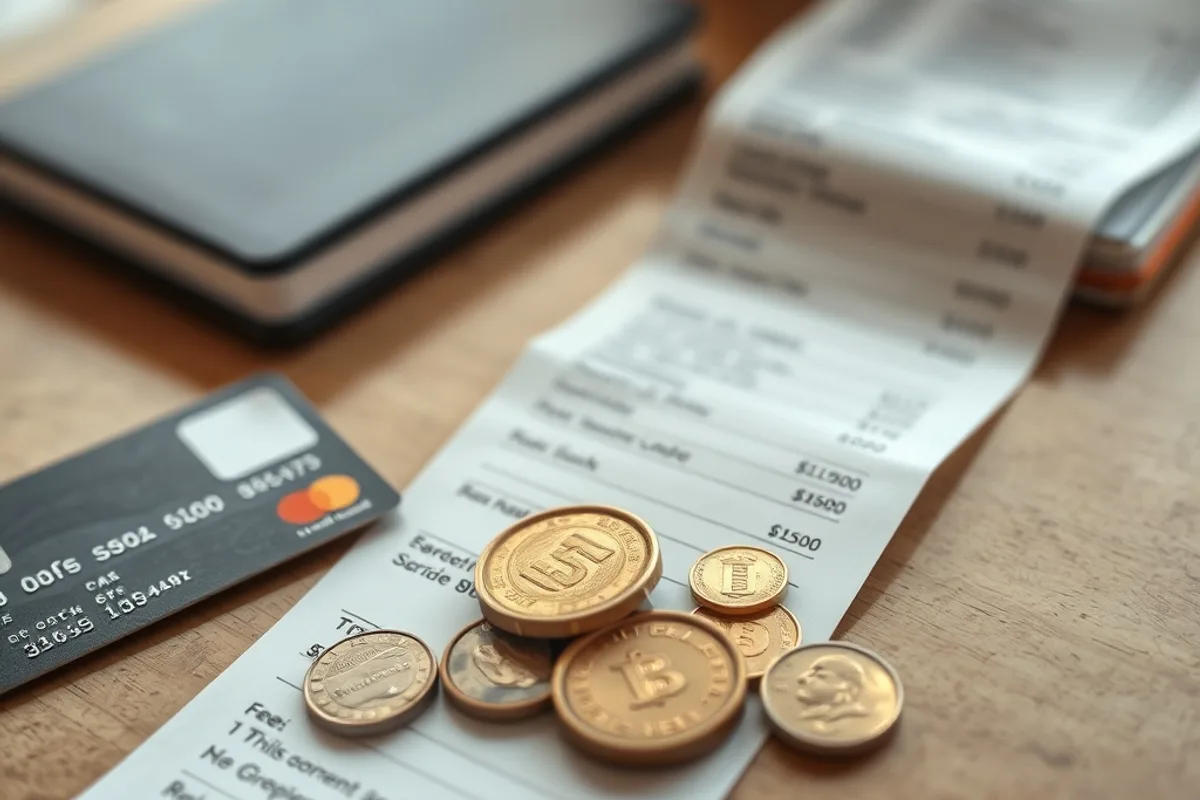
A low fare usually excludes bags, seat selection, food, transfers and sometimes a cabin bag. Add them up before you compare. A $40 flight with a $60 bag and a $30 airport transfer is not a $40 trip. A cheap hotel on the edge of town may require a taxi every day. A bargain rental car may come with insurance, fuel and parking that double the cost.
There is also a time cost. The 5 a.m. departure, the three-hour layover, the bus that takes twice as long. If you are on a short trip, time is the scarcest resource. Paying a little more for a direct train can be the best value decision you make.
Carbon math without the greenwash
Flying is the most carbon-intensive way to travel, especially short-haul. A return flight within Europe can produce more emissions than a month of everyday commuting. Trains are far lower, buses lower still, and cycling is close to zero. The exact numbers vary, but the ranking is stable.
The most effective change is to fly less often and stay longer. One two-week trip usually beats two one-week trips. Choose direct flights, avoid short connections, and take the train for the middle leg where it exists. If you must fly, do not pretend that a small offset makes the emissions disappear. Offsets can fund useful projects, but they are not a substitute for reducing the flight.
Carbon labels are improving, but they are not standardised. Use them as a rough guide, not a precise measurement. The biggest decision is the mode of transport and the number of trips, not the exact calculation.

The labor behind a cheap room
A hotel room is cleaned, maintained and served by people. When the room rate is very low, something has to give: wages, staffing levels, working conditions or the quality of the building. The guest sees the lobby. The housekeeper sees the number of rooms they must clean in a shift.
Look for hotels that publish information about staff, pay and local employment. It is rare, but it is a good sign. Read reviews that mention cleanliness and staff morale. A hotel with a high turnover of staff is usually a hotel with a problem. If you can, stay in a locally owned place where the person at reception also owns the business.
Tipping is a complicated substitute for fair wages. In countries where service is included, do not assume an extra tip is expected. In countries where it is not, tip fairly and in cash. But do not use a tip to justify a price that was too low in the first place.
Local value and tipping
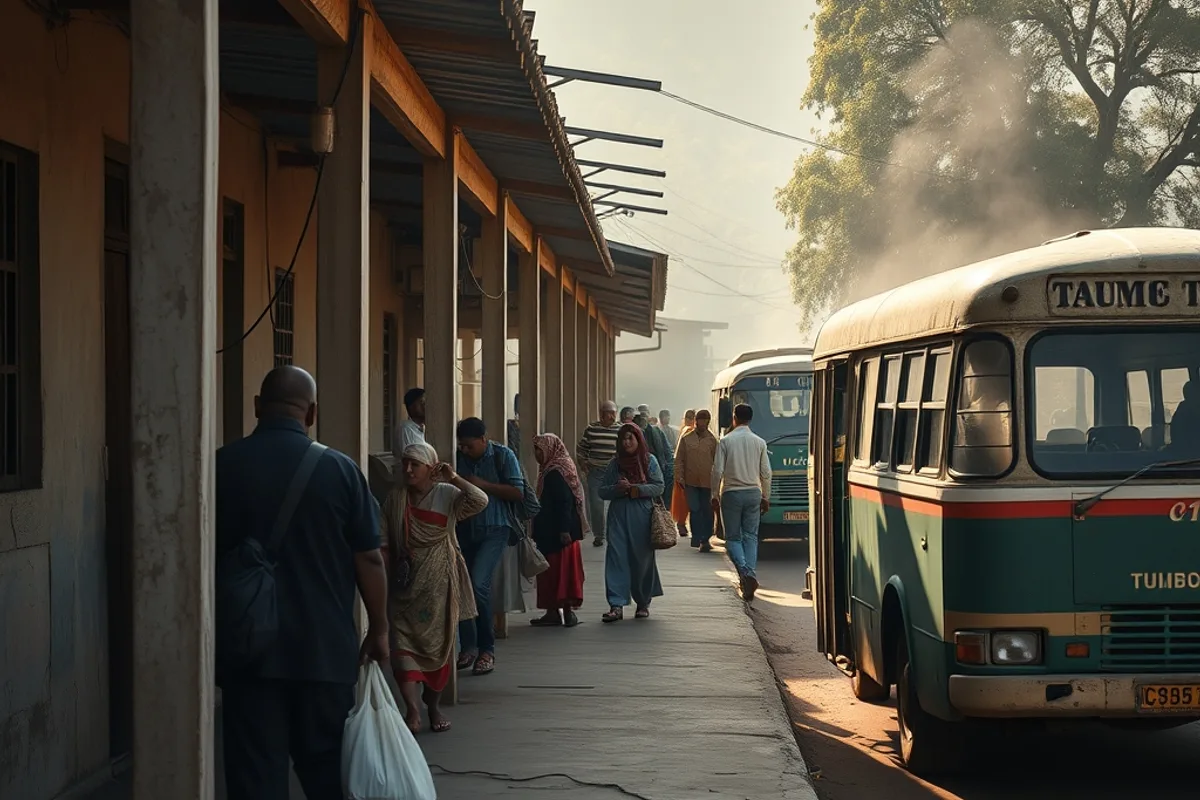
Money spent with local businesses tends to stay in the local economy. Money spent with international chains tends to leave. This is a simplification, but it is a useful one. A family-run restaurant buys from local suppliers, employs local staff and pays local taxes. A chain may do some of these things, but the profits go elsewhere.
Ask who owns the place. Ask where the food comes from. Ask whether the tour guide lives in the area. These questions are not intrusive; they are the same questions a good consumer asks anywhere. The answers tell you whether your money is building a place or extracting from it.
Certification and offsets
Sustainability certifications can be useful, but they vary widely. Some are rigorous; some are marketing. Look for certifications that require third-party audits and publish their criteria. A label on a website is not proof. Ask the hotel what it actually does: water use, waste, energy, local sourcing, staff pay.
Carbon offsets are not a licence to pollute. A good offset project should be additional, measurable, verifiable and permanent. Many are not. If you use them, treat them as a small contribution to a broader effort, not as a way to neutralise a flight. The first step is always to reduce.

A better cheap trip
You can travel on a budget and still spend well. Take the train or bus instead of the short flight. Stay in one place for longer. Choose a locally owned guesthouse rather than a chain on the edge of town. Eat at markets and neighbourhood restaurants. Use public transport. Pay the asking price without haggling over small amounts. Buy one good local thing instead of five souvenirs.
None of this requires more money. It requires different choices about where the money goes and how much time you give the place. The cheapest trip is not always the one with the lowest total. It is the one that leaves you and the destination better off.
| Choice | Lower cost option | Higher value option |
|---|---|---|
| Transport | Short-haul flight | Train or bus, longer stay |
| Stay | Chain on the outskirts | Local guesthouse in the centre |
| Food | International fast food | Market and neighbourhood kitchen |
| Tour | Large group bus | Local guide, small group |
| Souvenir | Imported trinket | One thing made nearby |
The bottom line
The real cost of a cheap trip includes the things the price tag hides: carbon, labour and the value that leaves the place. Count the extras, choose the lower-carbon route where you can, stay longer, and spend with locally owned businesses. You do not need to be rich to travel responsibly. You need to be honest about what your money is doing.