How to Travel Lightly in Places That Feel the Weight of Tourism
Overtourism is not solved by staying home. It is changed by when you go, where you sleep and where your money lands.
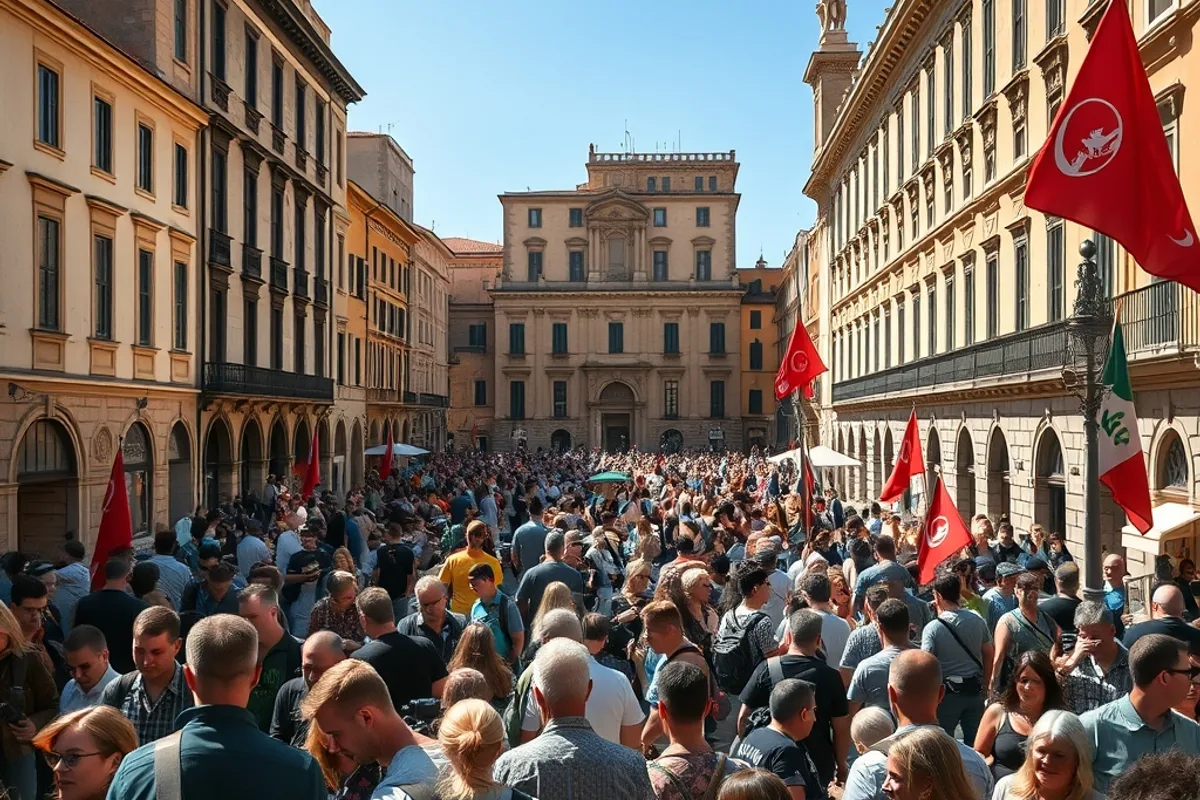
There is a moment in many popular places when tourism stops feeling like an exchange and starts feeling like a tide. The streets are full before breakfast, the same souvenirs appear in every window, and the people who live there are outnumbered by people photographing them. It is easy to feel complicit. It is also easy to conclude that the only ethical choice is not to go.
Staying home is not a strategy for a place that depends on visitors. A better approach is to change the shape of your visit: when you go, how long you stay, where you sleep, how you move, and where your money ends up. None of these choices solves overtourism on its own. Together they change who benefits from your presence.
What overtourism actually feels like
Overtourism is not simply "too many people". It is a mismatch between the number of visitors and the capacity of a place: housing, water, transport, waste, noise and the patience of residents. It is also seasonal. A town that feels empty in February can be unbearable in August. A street that is quiet at 8 a.m. can be impassable at noon.
The effects are often invisible to visitors. Rents rise as apartments become short-term lets. Local shops close and are replaced by businesses that serve tourists. Workers commute further because they can no longer afford to live in the centre. The place becomes a stage set for its own image.
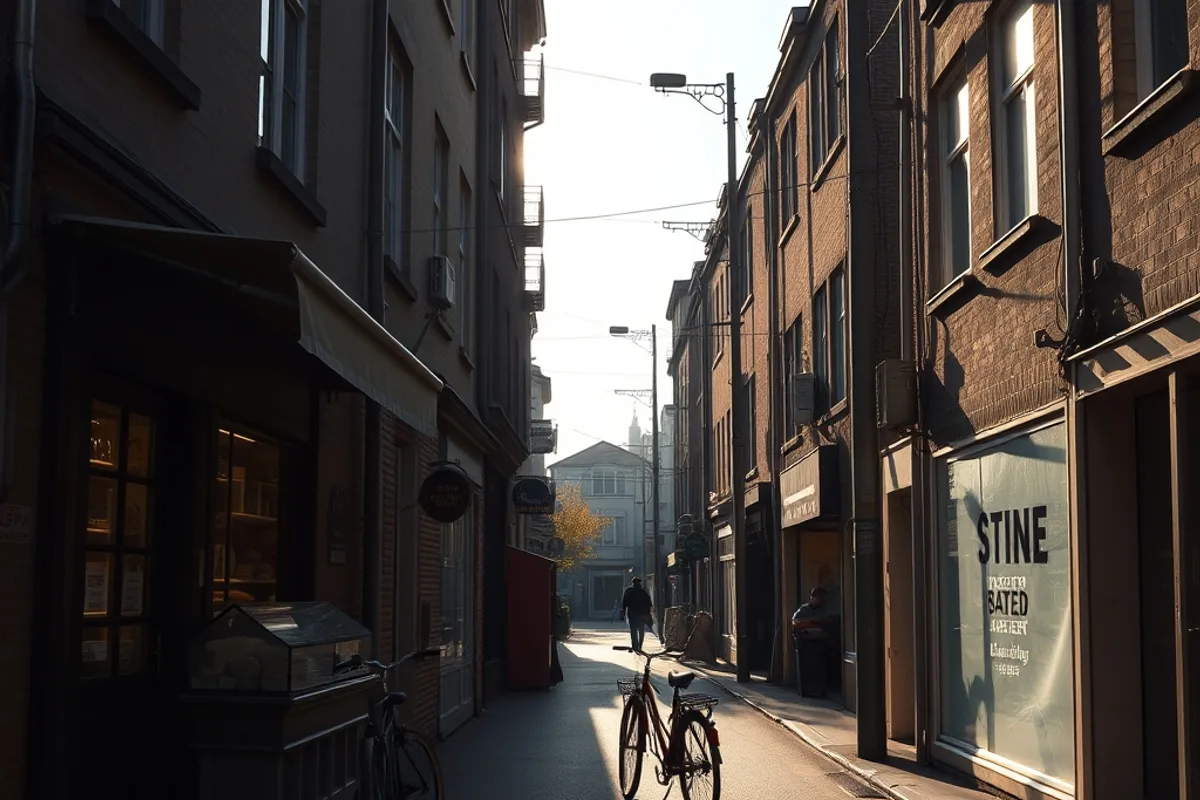
You cannot fix this with a reusable water bottle. You can, however, avoid making it worse, and you can direct your spending toward people who live there year-round.
Shift your timing
The single most effective change is to travel outside the peak. This is not always possible, and it is not always better for the destination if it creates a new peak. But in many places, the difference between July and October is enormous. Shoulder season spreads income across more months and reduces pressure on infrastructure.
Change your daily timing too. Visit the famous site at opening time or late afternoon. Eat lunch after two, when the local crowd has gone back to work. Walk the popular street at 7 a.m. and spend the middle of the day in a neighbourhood or a museum. You will see more and queue less.
Avoid the cruise-ship surge if you can. In some ports, the town is overwhelmed for six hours and empty afterwards. Check the schedule and plan around it, or choose a destination that is not on the route.

Stay longer, move less
Slow travel is not a moral achievement, but it does reduce impact. One week in one place uses less transport than four cities in seven days. It also puts more money into a single local economy and gives you time to shop at the market, learn a few names and understand the rhythm.
Try a two-base trip instead of a five-stop tour. Take the train between bases. Spend a day doing nothing in particular. The trip will feel less like a checklist and more like a stay, which is usually what people actually want.
Spend where it stays
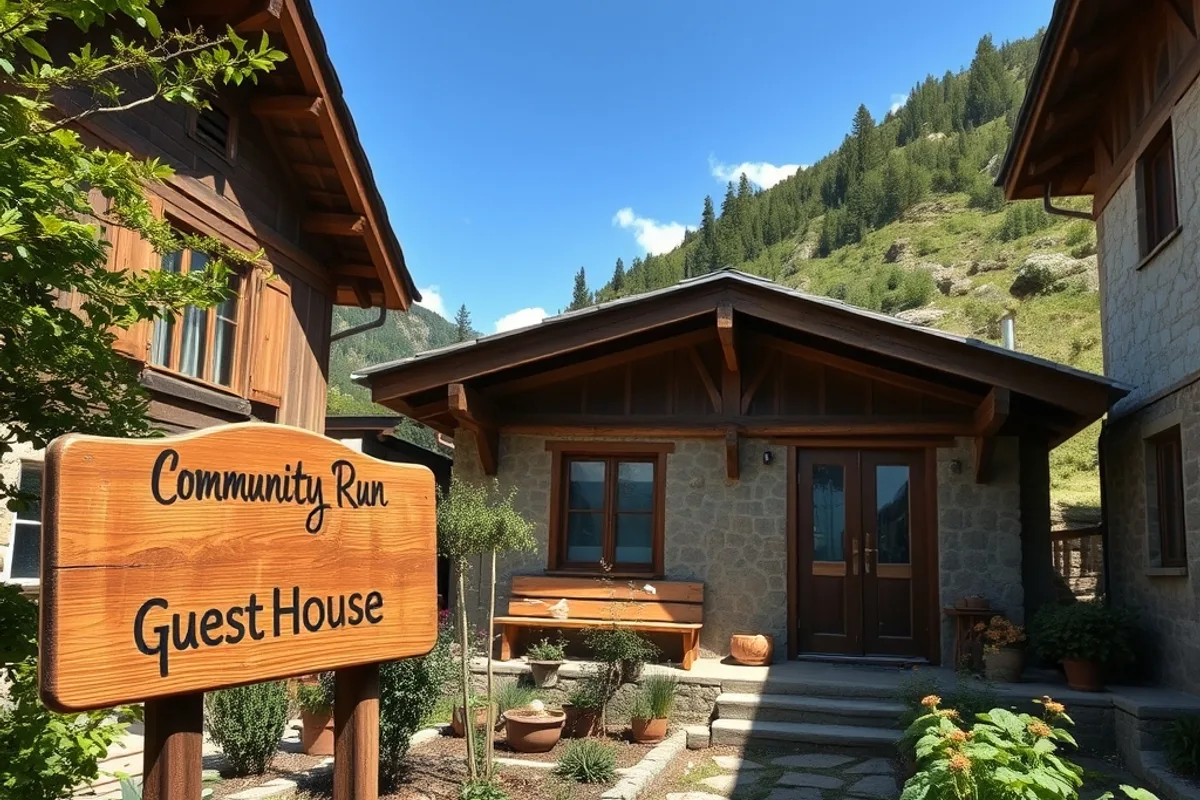
Where you spend is a political choice, even on holiday. A chain hotel may employ local people, but its profits leave. A family-run guesthouse, a local tour guide, a neighbourhood restaurant and a market stall keep more value in the community. This is not about luxury versus budget. It is about ownership and supply chains.
Buy from producers, not just retailers. Ask where the food comes from. Choose a local guide who lives in the area and can explain its issues, not just its highlights. Pay fairly for services, and do not haggle over small amounts that matter more to the seller than to you.
Be honest about what you can afford. A local business does not need your charity; it needs your custom, paid at a fair price. The best contribution is a well-run business that can pay its staff and stay open through the low season.
Choose community-run stays
Look for guesthouses, cooperatives, homestays and small hotels that are owned and run locally. Ask who owns the property and where the staff are from. A "local experience" marketed by an international platform may still send most of the money elsewhere.
Read the negative reviews. They often reveal more about a place than the positive ones. Look for mentions of noise, waste, water use, staff conditions and the relationship with the neighbourhood. If a place has a reputation for treating staff badly, believe it.
Transport is the biggest lever
For most trips, transport is the largest part of the carbon footprint. Flying less is the most effective single change, followed by flying shorter distances, taking the train where possible, and using public transport on arrival. A domestic flight for a weekend is hard to justify in climate terms.
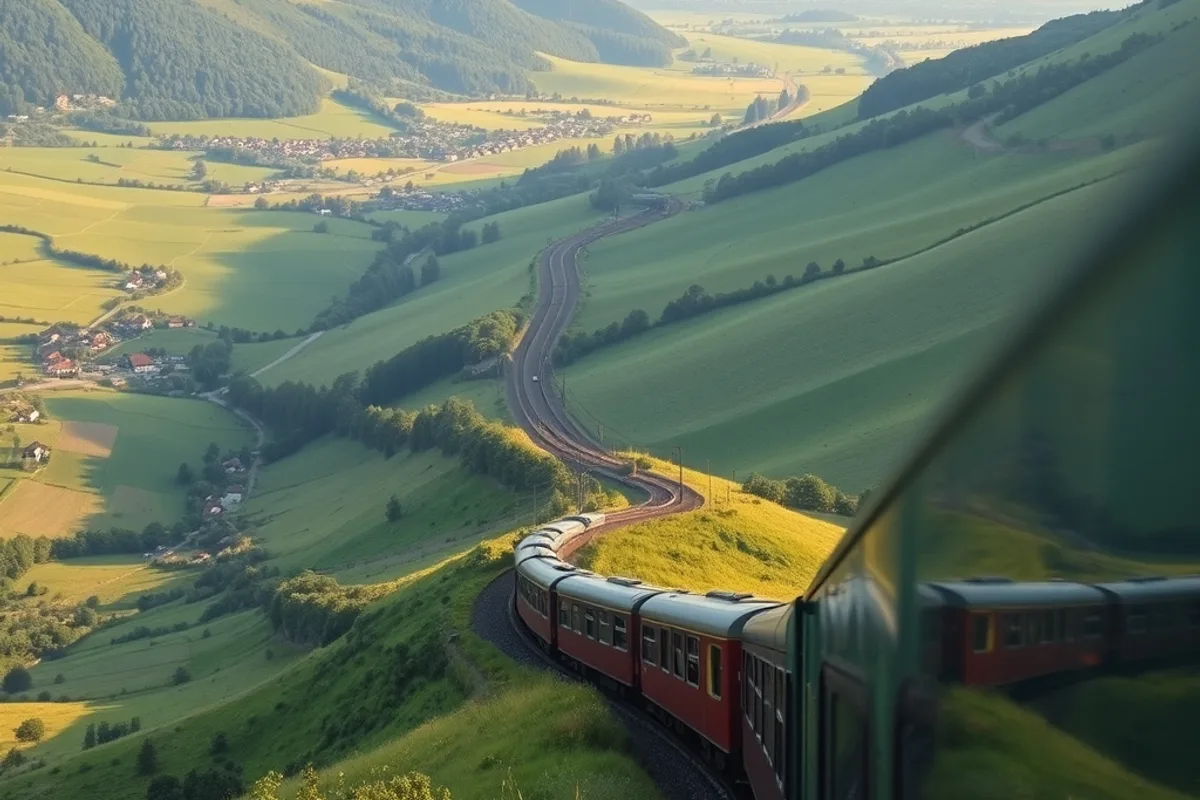
If you fly, stay longer and combine purposes. One longer trip is usually better than several short ones. Choose direct flights where possible, and avoid short-haul connections that add emissions. Use trains, buses and ferries for the rest of the journey. They are often slower, cheaper and more interesting.
The etiquette of being a guest
Learn the local rules about dress, photography, tipping and behaviour in sacred places. Ask before photographing people. Keep your voice down in residential streets at night. Do not block doorways for a photo. Do not treat a private garden or a laundry line as a backdrop.
If a place is struggling with tourism, do not add to the performance. Put the phone down. Buy something small. Say thank you in the local language. Leave the place a little quieter than you found it.
The bottom line
Travel lightly by changing the shape of the trip: go out of season, stay longer, move less, sleep in locally owned places and spend where the money stays. You will not solve overtourism, but you will stop being part of the problem in the most direct way available to you. And you will probably have a better trip.